
Limnophila repens
Limnophila repens
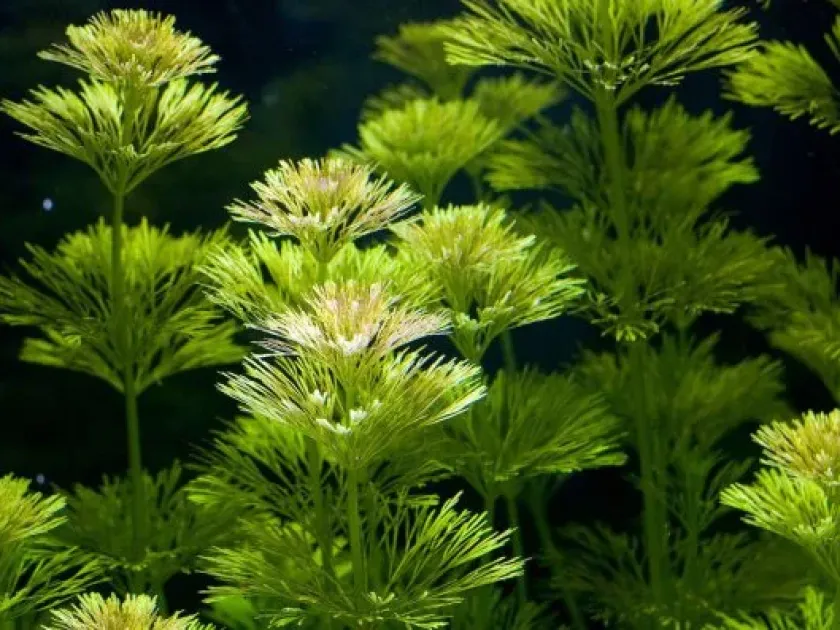
Description
Growing requirements
Limnophila repens is a versatile aquatic plant belonging to the Plantaginaceae family. Originally native to Southeast Asia, it thrives in warm, tropical climates and is widely recognized as a classic species in the aquarium and hydro-culture trade.
The plant demands high lighting conditions to maintain its structural integrity. If the light intensity is insufficient, the plant undergoes etiolation, stretching its internodes and causing the lower leaves to drop off due to shading.
Temperature requirements are relatively stable, with an ideal range between 22 °C and 28 °C. Soft to medium-hard water is preferred to ensure that the plant maintains its lush green or reddish coloration, depending on the specific light spectrum applied.
A nutrient-rich substrate is essential for the healthy development of Limnophila repens. In commercial cultivation, iron supplementation is critical to prevent chlorosis, while the injection of CO2 gas is highly recommended for maximizing growth rates.
Propagation is primarily carried out through vegetative cuttings. By cutting a portion of the main stem and replanting it into the substrate, the plant rapidly develops adventitious roots, establishing a new cluster in the aquarium or hydroponic setup.
Yield
Yield in commercial greenhouse or aquarium farming is measured by stem production. Under optimal conditions involving carbon fertilization and consistent pruning, the plant produces harvestable apical cuttings every two weeks.
Main diseases and pests
The primary threats include colonization by various algae species, such as hair algae or black beard algae, which compete for light and surface area on the leaves. Balanced nutrient levels are key to prevention.
Nutritional deficiencies, specifically a lack of potassium or iron, lead to leaf necrosis and yellowing. Regular water chemistry monitoring is required to manage these physiological stress factors effectively.