
Limnophila laotica
Limnophila laotica
Description
Growing requirements
Limnophila laotica is a marshy herbaceous plant belonging to the Plantaginaceae family. Native to the tropical regions of Southeast Asia, particularly Laos, it is naturally found in wetlands and the riparian zones of various tropical water bodies.
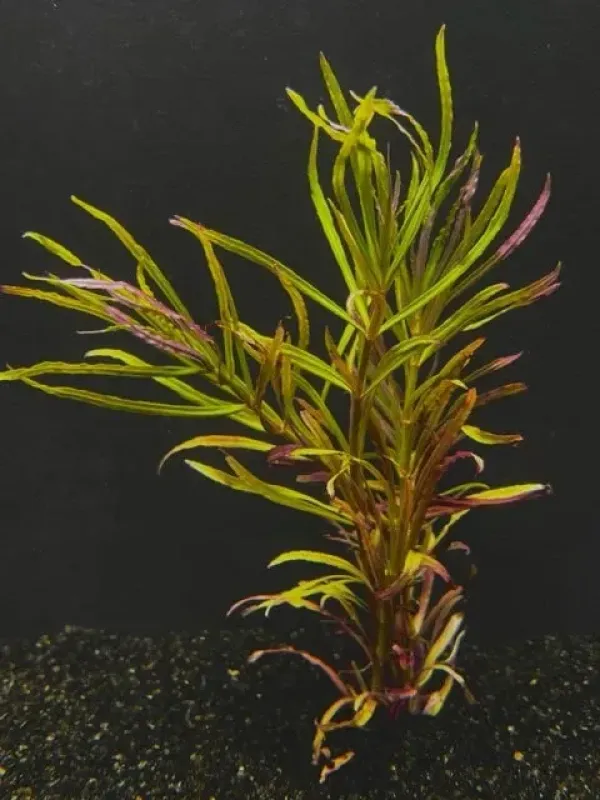
The plant is distinguished by its intricate, feathery foliage arranged in whorls along the stem. It displays phenotypic plasticity, meaning the structure of the leaves changes significantly depending on whether the plant is grown submerged in water or in an emersed, bog-like environment.
Optimal growth requires a warm climate with temperatures between 22 and 28 degrees Celsius. Light intensity must be high to maintain healthy pigmentation and prevent the stem from becoming etiolated, which would otherwise compromise its structural integrity and ornamental value.
The substrate must be rich in organic matter and maintained in a moist condition with a slightly acidic to neutral pH. Providing supplemental CO2 in enclosed water systems is highly beneficial, as it promotes robust biomass production and ensures rapid adaptation to the growth medium.
The primary economic use of Limnophila laotica is in the horticultural and aquarium industries. It is highly sought after by landscape designers for creating lush, textured underwater scapes, as well as for specialized botanical displays in greenhouse environments.
Main diseases and pests
The primary threats to this culture include improper water parameters, which can lead to rapid decay of the foliage and inhibition of metabolic processes. Poor water circulation often results in the accumulation of debris on the leaves, which encourages the growth of unwanted algae.
Pests typically include common aquatic invertebrates like snails, which may feed on the tender growth. Managing these threats involves careful sanitation of the growth environment and the occasional use of bio-friendly pest control methods to protect the delicate vegetative structure.