
Limnophila rugosa
Limnophila rugosa
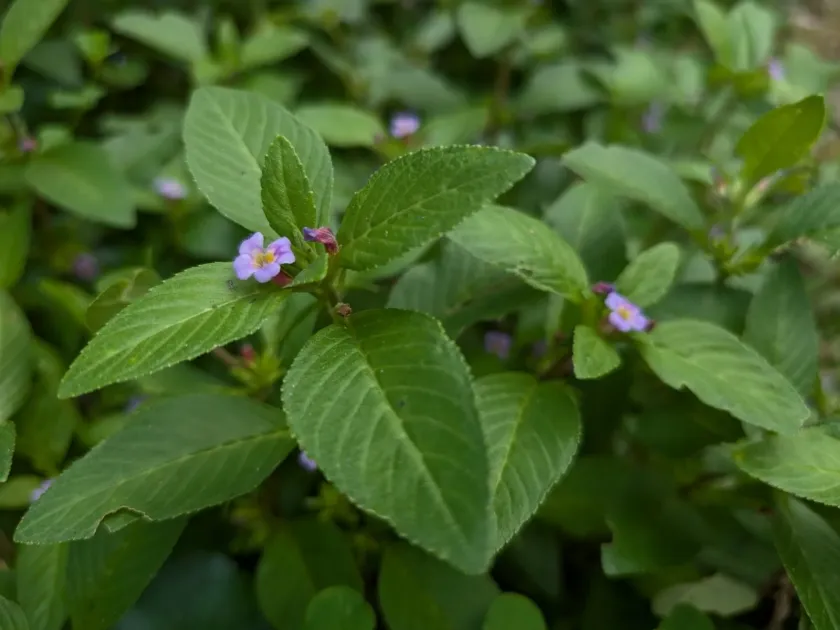
Description
Sowing dates
Limnophila rugosa is a tropical moisture-loving species, requiring stable warm conditions for successful germination. In temperate regions, sowing should occur indoors or in greenhouse conditions during early spring, maintaining a consistent soil temperature of 22–25 degrees Celsius.
Direct outdoor sowing is only viable in frost-free tropical or subtropical climates. The seeds are extremely small, necessitating surface sowing where they are barely pressed into the soil to ensure light exposure while retaining the high humidity required for germination.
A high-quality, fine-textured, moisture-retentive substrate is essential for seed starting. Using vermiculite or a fine peat-based mix helps maintain the necessary moisture levels during the critical initial two-week period when seeds are most vulnerable to drying out.
For large-scale or greenhouse production, humidity domes or misting systems are standard to keep the surface consistently damp. Once seedlings emerge, provide ample bright light to prevent spindly growth and encourage the development of strong, aromatic foliage.
Hardening off is a vital transition step before transplanting seedlings into permanent outdoor beds or hydroponic systems. This allows the plants to acclimate gradually to external temperature fluctuations and light intensity, ensuring better establishment and survival rates.
Growing requirements
Belonging to the Plantaginaceae family, Limnophila rugosa thrives in waterlogged or swampy environments, typical of its native Southeast Asian wetlands. Consequently, water availability is the primary factor for successful cultivation and plant health.
The soil should be rich in organic matter and slightly acidic to neutral. High nitrogen availability is crucial throughout the vegetative phase to promote rapid leaf production, as this is the primary part of the plant used for culinary and medicinal purposes.
The optimal temperature range for this herb is 20–30 degrees Celsius. Exposure to temperatures below 15 degrees Celsius significantly stunts growth, while frost is fatal to the plant, necessitating cultivation in controlled environments for most of the year.
Light management is a balance between providing enough intensity for essential oil synthesis and protecting the plants from intense midday heat. In very hot climates, partial shading during peak sunlight hours prevents leaf scorching and maintains moisture levels.
Maintaining consistent soil moisture is non-negotiable. Drying out the growing medium triggers a stress response that often leads to premature bolting (flowering), which severely degrades the aromatic and culinary quality of the leaves.
Yield
Yield efficiency in Limnophila rugosa depends on regular harvesting and pruning practices. By consistently removing the growing tips, growers stimulate lateral branching, which creates a denser, more productive plant structure over time.
The first harvest of marketable foliage is typically ready 8 to 10 weeks after transplanting. The leaves should be deep green, rugose (wrinkled), and plump, indicating peak accumulation of the plant’s characteristic aromatic oils and flavor compounds.
To maximize yield, growers must be vigilant about removing any emerging floral stalks. Once the plant enters the reproductive stage, its energy shifts away from vegetative production, causing leaves to become tougher and less flavorful.
Hydroponic or aeroponic setups often yield significantly higher volumes than traditional soil cultivation. These systems provide constant access to water and nutrients, allowing the plants to maintain a continuous, rapid growth cycle throughout the season.
Average yield can be maintained by rotating harvests and ensuring that each plant has enough space for light penetration. Overcrowding can lead to lower leaf quality and decreased yield due to competition for nutrients and reduced air circulation.
Main diseases and pests
Fungal pathogens represent the most significant threat to Limnophila rugosa, especially in high-humidity environments. Powdery mildew and root rot are common, particularly when air circulation is poor or when plants are grown too densely.
Common agricultural pests such as aphids and spider mites can infest the foliage, particularly under hot, dry conditions. Integrated pest management strategies, focusing on biological controls and proper spacing, are preferred to maintain the quality of this food crop.
Nematodes can pose a challenge if the soil has not been properly disinfected or if rotation is not practiced. Using clean, sterile growth media and healthy planting material is the primary defense against soil-borne issues that can limit root health.
Improper fertilization, particularly excessive nitrogen combined with poor potassium levels, can leave plants susceptible to environmental stress and opportunistic pathogens. Balanced nutrient management is key to maintaining the plant's natural resilience.
Weed management is critical in the early stages of establishment. Because Limnophila rugosa grows relatively slowly at first, competition from faster-growing weeds can easily suppress the herb, leading to stunted plants and reduced survival rates.
Harvesting
Harvesting is performed by clipping stems at a height of 5–10 cm above the soil. This height ensures that multiple nodes remain on the plant, which are necessary for the regrowth of new shoots and subsequent harvests.
The best time to harvest is early in the morning when the plant is fully turgid and the concentration of essential oils is at its peak. This ensures the longest shelf life and the most intense aromatic profile for culinary applications.
Post-harvest handling requires immediate cooling and protection from direct sunlight. For commercial use, the leaves should be kept in refrigerated storage at 3–5 degrees Celsius with high humidity to prevent wilting and degradation of the delicate leaves.
Culinary applications for Limnophila rugosa are diverse, ranging from fresh garnishes in soups and curries to flavoring agents in complex spice pastes. Its flavor, often described as a mix of anise and basil, makes it a prized ingredient in Southeast Asian cuisine.
In addition to its culinary value, it is historically recognized for its medicinal properties. The plant is often used in traditional remedies for its anti-inflammatory and cooling effects, making it a versatile crop with both nutritional and therapeutic importance.