
Lafuentea
Lafuentea
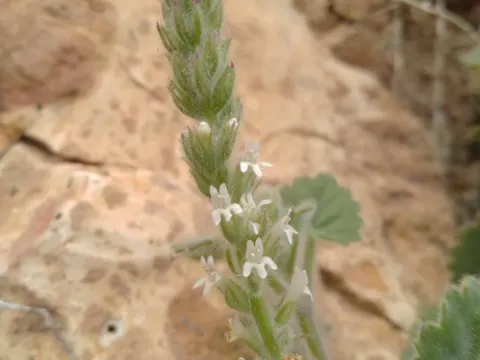
Lafuentea is a genus of herbaceous plants belonging to the Plantaginaceae family. It is recognized for its unique botanical traits and its specific, localized distribution, which makes it a subject of significant interest in botanical conservation and research.
What the section contains

Lafuentea
The origin of the genus is primarily linked to the Iberian Peninsula, where it thrives in rocky mountainous environments. These habitats define its biological niche, favoring plants that are adapted to challenging, well-drained geological substrates and high-altitude climate patterns.
Botanically, Lafuentea exhibits characteristic features such as rounded leaves forming a basal rosette and specific floral structures adapted for specialized pollination. The plant's metabolism is tuned to handle the nutrient-poor but mineral-rich soils common in its natural habitats.
Regarding growing requirements, the plant demands excellent soil aeration and moderate moisture levels. It is sensitive to excessive water accumulation, which necessitates the use of loose, rocky, or sandy substrates when attempting cultivation in artificial settings.
Economic and practical uses are currently concentrated in research and botanical collections. There is ongoing interest in the species due to its resilience and potential pharmacological properties, though it remains far from being a broad-acre commodity crop.
The primary threats to the health of the plant include fungal pathogens triggered by poor air circulation and excessive dampness. These conditions can quickly lead to root rot and other systemic health failures in the plant population.
Pest management is focused on preventing damage from common soil-dwelling invertebrates and leaf-feeding mollusks that thrive in shaded, humid environments. Maintaining optimal spacing and ensuring sufficient light exposure are critical strategies for mitigating these risks.