
Limnophila chinensis
Limnophila chinensis
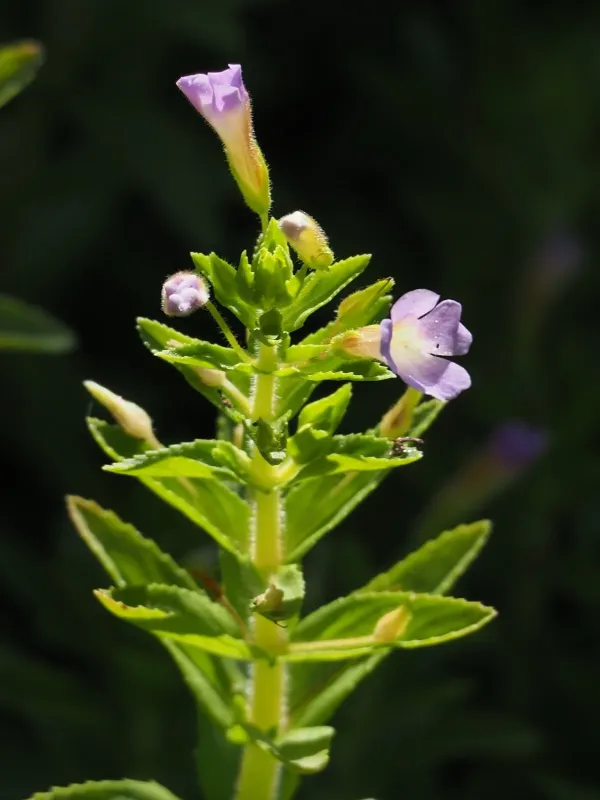
Description
Growing requirements
Limnophila chinensis is a herbaceous plant belonging to the Plantaginaceae family. Originally native to tropical and subtropical regions of Asia, it is primarily found in wetland habitats, marshy areas, and irrigation systems such as rice paddies.
The botanical characteristics of the plant include upright, glandular-hairy stems and opposite, often serrated leaves. Depending on the environment, the plant can exhibit phenotypic plasticity, adapting its growth form to fully submerged or semi-emergent conditions.
Climate requirements for the successful cultivation of Limnophila chinensis include a consistent temperature range of 22–28°C and high atmospheric humidity. It is a frost-sensitive plant that requires a stable tropical environment to thrive.
Soil and substrate requirements are critical, as the plant demands constant moisture. Rich, fertile soils with a slightly acidic to neutral pH are ideal. In agricultural settings, it is often grown in hydroponic or semi-aquatic systems to mimic its natural flooding environment.
The crop is utilized primarily for its culinary value as an aromatic herb and its application in traditional medicine. The essential oils extracted from the leaves are known for their potential antioxidant and therapeutic properties.
Main diseases and pests
The primary threats to Limnophila chinensis crops are fungal pathogens, specifically those causing root rot and stem decay. These issues are most prevalent in stagnant water conditions where proper aeration is lacking.
Common pests include aquatic invertebrates, snails, and various sap-sucking insects that target the succulent green parts of the plant. These pests can cause significant damage to young vegetative tissues, reducing overall yield.
Preventive measures include maintaining water quality, monitoring density, and ensuring proper air circulation around the plants. Crop rotation or periodic water renewal is essential to prevent the accumulation of soil-borne pathogens.
Integrated pest management (IPM) is highly recommended, as the plant is intended for human consumption. Biological controls, such as beneficial insects or microbial agents, are safer alternatives to chemical pesticides.
Effective management also involves selecting high-quality planting material to avoid the transmission of viruses. Regular field scouting and quick removal of infected plants can stop the spread of potential outbreaks in a greenhouse or farm setting.