
Limnophila ceratophylloides
Limnophila ceratophylloides
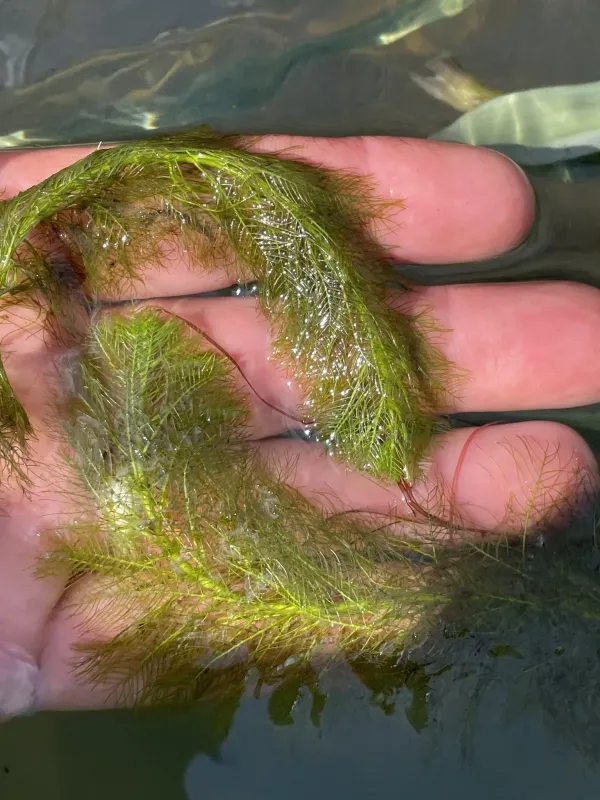
Description
Growing requirements
Limnophila ceratophylloides is a distinct aquatic plant species belonging to the Plantaginaceae family. Originally found in the tropical wetlands of Southeast Asia, it thrives in shallow freshwater habitats where it plays an important role in the local ecosystem by providing oxygen and shelter for small aquatic organisms.
The plant is characterized by its delicate, whorled leaves that exhibit a deeply pinnate structure, visually resembling Ceratophyllum. This aesthetic quality makes it a highly valued specimen in the hobby of aquascaping, where it is used to create lush, vibrant backgrounds in planted tanks.
Successful cultivation requires a stable aquatic environment with temperatures ranging from 22 to 28 degrees Celsius. Soft to medium-hard water is preferred, and maintaining a slightly acidic pH level (6.0–7.0) is crucial for the optimal absorption of nutrients through the leaves and root system.
High-intensity lighting is an essential requirement for this plant to maintain its coloration and compact growth habit. Without sufficient PAR (photosynthetic active radiation), the internodes tend to elongate excessively, causing the plant to lose its decorative value and structural integrity.
Professional maintenance involves regular substrate fertilization and CO2 injection. Because this species is a fast grower under the right conditions, it necessitates frequent pruning to encourage branching and prevent the lower portions of the stems from decaying due to lack of light penetration.
Main diseases and pests
The primary threats to Limnophila ceratophylloides include nutrient imbalances, which lead to the rapid onset of chlorosis. Specifically, iron deficiency manifests as yellowing of the new shoots, requiring immediate adjustment of the liquid fertilizer dosage to prevent permanent damage.
Algal blooms are another significant risk factor. When the nutrient supply is not synchronized with the plant's uptake capacity, opportunistic algae such as hair algae can quickly overgrow the foliage, physically obstructing light and ultimately killing the plant tissue.