

Reference · Crops
Kickxia
Kickxia
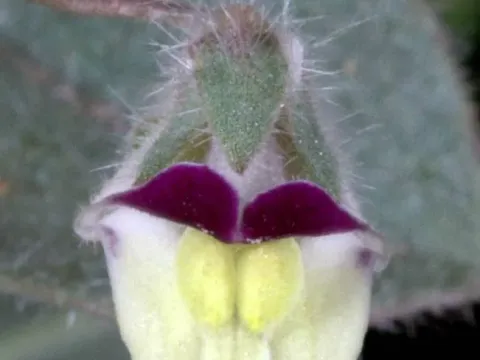
Kickxia is not a traditional agricultural crop but a genus of herbaceous plants belonging to the Plantaginaceae family, often recognized as weeds in field crops.
12
items
What the section contains
 Roundleaf fluellin
Kickxia spuria
2 products
Kickxia acerbiana
Kickxia acerbiana
Kickxia bentii
Kickxia bentii
Roundleaf fluellin
Kickxia spuria
2 products
Kickxia acerbiana
Kickxia acerbiana
Kickxia bentii
Kickxia bentii
 Kickxia caucasica
Kickxia cirrhosa
Kickxia cirrhosa
Kickxia caucasica
Kickxia caucasica
Kickxia cirrhosa
Kickxia cirrhosa
 Kickxia commutata
Kickxia commutata
Kickxia commutata
 Kickxia floribunda
Kickxia floribunda
Kickxia floribunda
 Kickxia judaica
Kickxia judaica
Kickxia judaica
 Kickxia lanigera
Kickxia lanigera
Kickxia lanigera
 Kickxia petrana
Kickxia petrana
Kickxia petrana
 Kickxia scoparia
Kickxia scoparia
Kickxia scoparia
 Sharp-leaved fluellen
Kickxia elatine
Sharp-leaved fluellen
Kickxia elatine
Marketplace
Products in this section · 2

Kickxia
Germination typically occurs in the spring when soil temperatures reach the threshold of 10 to 12 degrees Celsius, signaling the start of the vegetative phase.
The seeds require consistent soil moisture during the initial stage to ensure successful development of the primary root system and leaf rosettes.
Due to its high propensity for self-seeding, the plant can establish persistent populations in fields that lack diversified crop rotation practices.
Field management requires early-stage mechanical intervention, such as harrowing, to eliminate young seedlings before they develop a deep taproot.
Kickxia thrives in well-drained, sandy, or rocky soil types, often flourishing in areas with alkaline or lime-rich substrates where other vegetation struggles.
The genus exhibits remarkable drought tolerance, adapting well to Mediterranean and temperate climates characterized by fluctuating rainfall patterns.
Optimal growth is achieved under full sun exposure, as the plant is highly sensitive to shading from taller crop varieties or dense canopy covers.
The ideal soil pH for this genus ranges from neutral to slightly alkaline, which supports the efficient uptake of soil nutrients for rapid development.
The root architecture allows the plant to stabilize loose or eroding soil surfaces, functioning as a pioneer species in disturbed agricultural or vacant land.
As a competitor in the field, Kickxia deprives cultivated crops of essential water, space, and sunlight, leading to potential yield reductions.
Various aphid species are known to infest the plant, potentially serving as vectors for viruses that may later spread to primary commercial crops.
The plant can harbor fungal diseases like powdery mildew, which can become a source of infection for neighboring vegetable or grain crops in a field.
Chemical control involving systemic herbicides is often necessary for large-scale infestations, specifically targeting the plant during its vegetative stage.
Integrated pest management strategies should emphasize the importance of deep tillage and proper field sanitation to reduce the local seed bank in the soil.