
Kidney-leaved plantain
Plantago reniformis
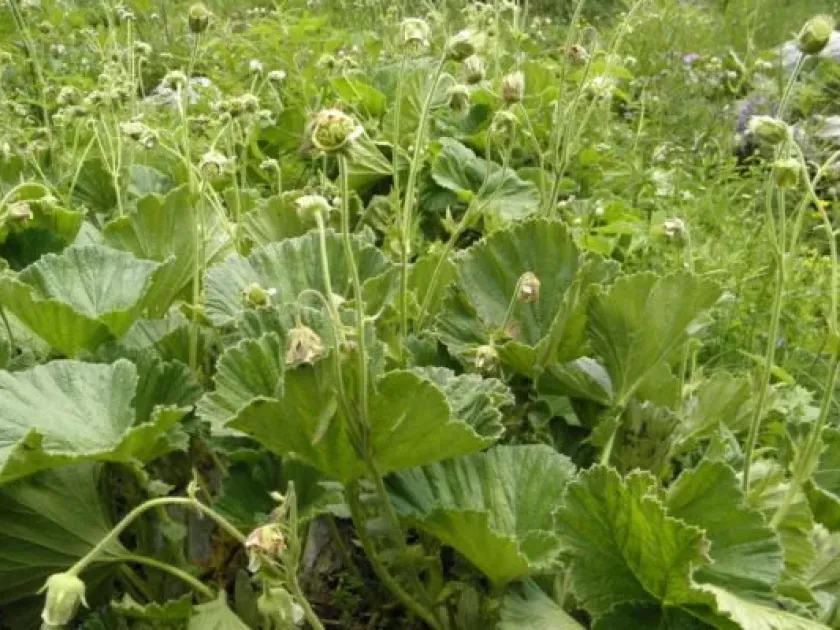
Description
Sowing dates
Kidney-leaved plantain (Plantago reniformis) is a herbaceous perennial belonging to the Plantaginaceae family. It is recognized for its unique kidney-shaped leaves and its significant role as a medicinal plant in traditional and modern herbal practice.
The optimal sowing time for Plantago reniformis is early spring, once the ground temperature consistently stays above 5-10 degrees Celsius. In regions with milder winters, late autumn sowing is also a viable option to leverage natural stratification.
For commercial cultivation, seeds are sown in rows spaced 45-50 centimeters apart. This spacing is crucial for enabling mechanical weeding and ensuring that each plant has sufficient access to sunlight and soil nutrients for robust development.
The seeds are relatively small, requiring shallow burial in the soil, usually at a depth of 1-2 centimeters. Achieving high-quality soil contact is essential for uniform germination and early establishment of the crop stand.
Starting with seedlings in a greenhouse is a common practice to accelerate growth before transplanting. This method ensures higher survival rates in the field and allows the plants to establish strong root systems early in the season.
Growing requirements
The crop thrives in fertile, well-draining loamy soils with a pH ranging from neutral to slightly acidic. While it prefers moist conditions, it is sensitive to waterlogging, which can cause root decay and plant stress.
Kidney-leaved plantain is a sun-loving plant that performs best in open fields, although it can tolerate partial shade. Adequate sunlight is vital for the synthesis of secondary metabolites that define its medicinal value.
Good soil structure is maintained through regular cultivation of inter-row spaces. This practice prevents crust formation and ensures proper gas exchange in the soil, which is particularly beneficial during the plant's active growth stage.
Water management is critical; consistent soil moisture is needed, especially during germination and early leaf development. However, avoiding stagnant water is equally important to maintain plant health and product quality.
The plant is known for its wide usage in pharmaceuticals, specifically for its expectorant and anti-inflammatory properties. Sustainable harvesting practices ensure the longevity of the plant population and high purity of the final product.
Main diseases and pests
Fungal infections, such as powdery mildew and leaf spot diseases, represent the most common threat to plantain plantations. These issues often arise during periods of high humidity and poor ventilation within the crop canopy.
Insect pests, including aphids and various leaf-chewing larvae, can significantly reduce yield. Monitoring these populations is essential to prevent extensive damage to the foliage, which is the primary component harvested for medicinal use.
Crop rotation is the most effective preventative measure against soil-borne pathogens. Avoiding fields where related species have recently grown helps to break the life cycles of common pests and diseases specific to the family.
Biological control agents are preferred over chemical pesticides in herb production to ensure the safety and quality of the raw material. Targeted spraying should only be performed after careful assessment of pest levels.
Timely harvesting and strict adherence to hygiene standards during collection and processing are necessary to prevent post-harvest spoilage. Proper drying conditions are required to retain the plant's therapeutic efficacy.