
Limnophila indica
Limnophila indica
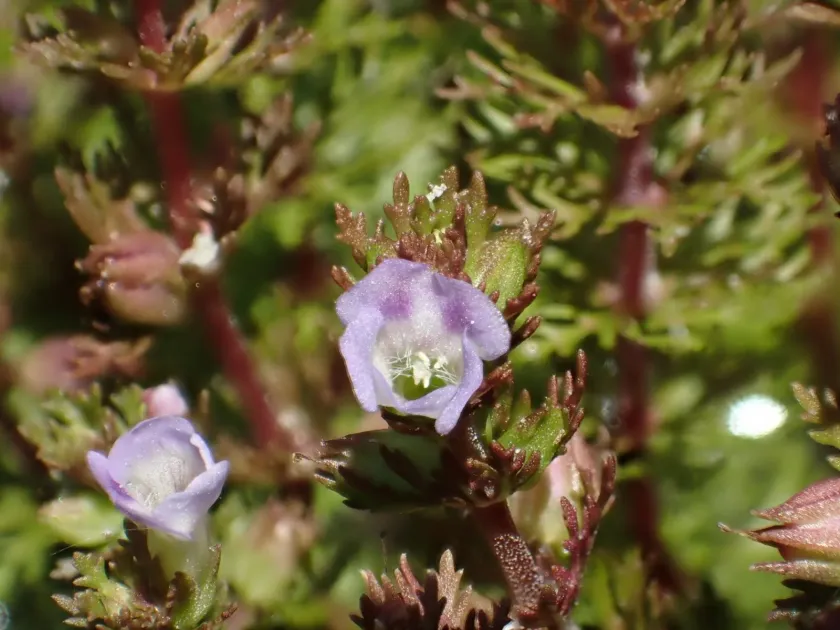
Description
Sowing dates
Limnophila indica is not a field crop but an aquatic plant, and its propagation relies on vegetative cuttings. The best period for intensive propagation is during the spring and summer months when light intensity is highest, promoting faster cell division.
Cuttings measuring 10–15 centimeters are taken from the main stem and planted into a nutrient-rich substrate. Roots typically develop within two weeks if the water temperature and lighting conditions remain consistent and stable.
In greenhouse settings, artificial lighting is used to ensure a year-round production cycle, allowing for consistent growth regardless of the natural season. Proper spacing between stems is essential to prevent overcrowding and ensure each plant receives adequate light exposure.
Regular pruning of the terminal buds is a standard practice that encourages lateral branching. This technique results in a denser, more commercially viable plant structure that is preferred for distribution in the ornamental plant trade.
Rooting success is significantly enhanced by the use of specialized, iron-enriched substrates. Maintaining these conditions ensures that the plant recovers quickly from the shock of being divided and continues to grow robustly.
Growing requirements
Limnophila indica belongs to the Plantaginaceae family and is a native species of the tropical regions in Asia. It thrives in stagnant or slow-moving freshwater habitats where the substrate provides a steady source of essential minerals.
High-intensity lighting is crucial for the development of its characteristic fine, feathery foliage. Without sufficient light, the plant exhibits etiolation, growing weak and pale, which makes it unsuitable for professional aesthetic purposes.
Optimal temperature requirements range from 22 to 28 degrees Celsius. Any significant deviations from this range can disrupt the plant's metabolic processes and cause the lower leaves to drop prematurely, ruining the plant's appearance.
The water quality should be characterized by low to moderate hardness. For professional cultivation, the water must be supplemented with carbon dioxide and a complex blend of trace elements, specifically iron, to ensure vibrant color and healthy tissues.
The substrate must be porous and organic-rich to allow for healthy root development. A well-aerated soil structure prevents the buildup of toxic gasses and supports the absorption of nutrients directly by the extensive root system.
Main diseases and pests
The most significant threat to Limnophila indica is the overgrowth of algae, which competes for space, light, and nutrients. Maintaining an ecological balance in the water column is the primary method of preventing these infestations.
Root rot caused by stagnant water or excessively compact soil is a common issue. If oxygen circulation in the substrate is compromised, anaerobic bacteria can flourish, leading to the rapid decay of the plant's base.
Certain aquatic mollusks can feed on the soft, feathery leaves, causing extensive mechanical damage. Regular monitoring and physical removal of such pests are necessary practices to keep the plants in a marketable condition.
Nutrient deficiencies, particularly iron chlorosis, are frequently misidentified as diseases. The leaves may turn yellow or translucent if the plant is not receiving a balanced supply of micro-nutrients, which must be addressed through fertilization.
Infection by fungal pathogens can occur when the water temperature is too low or when the plants are already stressed by poor light. Maintaining strict control over environmental parameters is the most effective way to prevent widespread infection.