
Limnophila aromatica
Limnophila aromatica
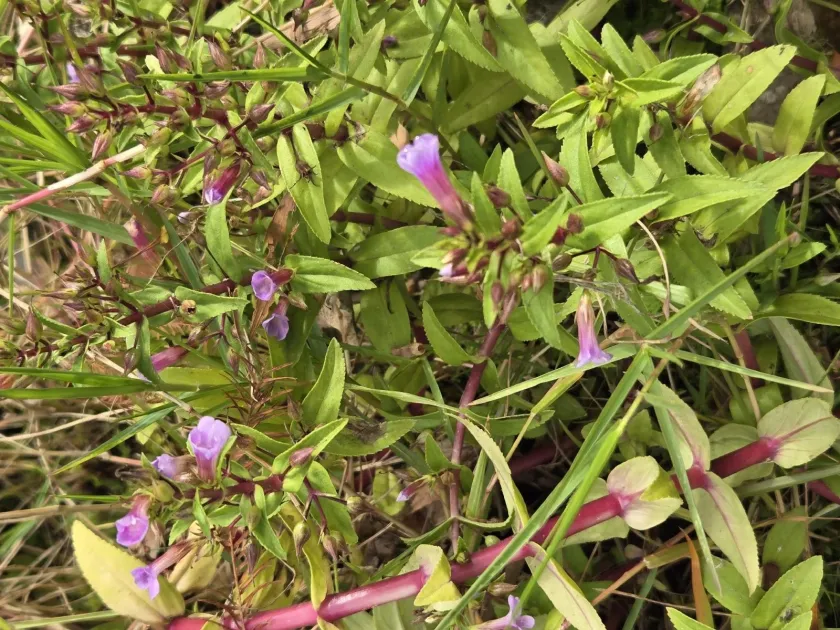
Description
Sowing dates
Limnophila aromatica, widely known as the "rice paddy herb," is a perennial herbaceous plant belonging to the Plantaginaceae family. In agricultural settings, it is primarily propagated through vegetative cuttings, which ensures rapid establishment and consistent commercial quality.
The planting process involves taking healthy apical cuttings and placing them into a nutrient-rich, moist substrate. Spring is the most favorable time for planting, as increasing daylight hours stimulate vigorous growth and the development of aromatic compounds.
Hydroponic systems are increasingly used for commercial cultivation. Cuttings are inserted into inert media like rockwool or clay pebbles, which allows for precise control over the nutrient intake and eliminates soil-borne pathogen risks.
Proper spacing is crucial during planting to ensure adequate airflow between plants. Densely packed crops are more prone to humidity-related diseases, which can significantly compromise the harvest yield.
After the initial rooting phase, which takes about one to two weeks, the plants enter a rapid growth stage. Regular pruning of the stems encourages lateral branching, which increases the total biomass available for future harvests.
Growing requirements
Limnophila aromatica thrives in high-light conditions. Exposure to intense light for 10–12 hours a day is essential to maintain the vibrant purple-red hues of the leaves and ensure high oil concentration.
The optimal temperature range for this crop is between 22°C and 28°C. It is highly sensitive to cold drafts and extreme temperature fluctuations, which can cause leaf drop and stunt the overall development of the plants.
The growing medium should be slightly acidic to neutral, with a pH between 6.0 and 7.2. High moisture retention is vital, as the plant naturally originates from swampy environments and wetland areas.
Humidity management is key. In greenhouse environments, maintaining high ambient humidity prevents the leaves from drying out and reduces the likelihood of stress-induced physiological disorders.
Fertilization must be balanced, focusing on nitrogen for foliage growth and supplemental iron to prevent chlorosis. In hydroponic setups, the nutrient solution must be aerated to maintain oxygen levels at the root zone.
Yield
The yield of Limnophila aromatica is remarkably high when managed with intensive hydroponic methods. The plant's ability to regenerate quickly allows for a continuous harvest cycle throughout the year.
Commercial producers can expect up to 6 harvest cycles per year in optimized climate-controlled environments. Each cycle involves cutting the upper stems, leaving the lower portions for regrowth.
Yield quality is highly dependent on light spectrum and intensity. Plants grown under specialized agricultural LED lights often show superior leaf density and color compared to those grown in inconsistent outdoor conditions.
In traditional wetland farming, yields are determined by soil fertility and water quality. While slower than hydroponics, this method often results in a more robust flavor profile favored by traditional culinary markets.
Strategic pruning and regular nutrient replacement ensure that each subsequent harvest cycle remains productive, preventing the plant from becoming woody or losing its aromatic potency.
Main diseases and pests
Common pests include aphids and spider mites, which thrive in environments where humidity is poorly managed. Integrated pest management strategies, such as biological controls, are preferred over chemical pesticides.
Fungal diseases like powdery mildew occur frequently when airflow is stagnant. Improving air circulation through fans or better plant spacing is the most effective preventative measure for these outbreaks.
Root rot is a significant risk, particularly in hydroponic systems with poor water oxygenation. Ensuring that the nutrient solution is well-oxygenated and that the growing medium has good drainage is critical.
Chlorosis, indicated by yellowing leaves, is a common indicator of micronutrient deficiencies, particularly iron or magnesium. Testing the pH level of the substrate is the first step in diagnosing and correcting this issue.
Bacterial infections can be introduced through contaminated tools. Rigorous sanitization protocols during the harvesting and pruning process are essential to maintain the long-term health of the entire crop batch.
Harvesting
Harvesting is best conducted in the early morning hours when the concentration of essential oils in the foliage is at its highest. This ensures that the final product has the best flavor and fragrance profile.
The stems are hand-cut to a length of 15–20 cm, bundled, and immediately cooled. Since the leaves are delicate, they are highly perishable and require gentle handling to avoid bruising.
Post-harvest, the product is packaged in humidity-controlled containers or plastic bags. Maintaining a cool temperature (4–8°C) is necessary to keep the product fresh for distribution to markets and restaurants.
For industrial processing or drying, the leaves are treated with low-heat dehydration techniques. This preserves the volatile oils that give the plant its characteristic citrusy and aromatic scent.
Efficiency in harvesting is paramount, as the stems can quickly lose their turgidity if left exposed to the air. Proper organization of the harvesting team is required to minimize the time between cutting and cold storage.