
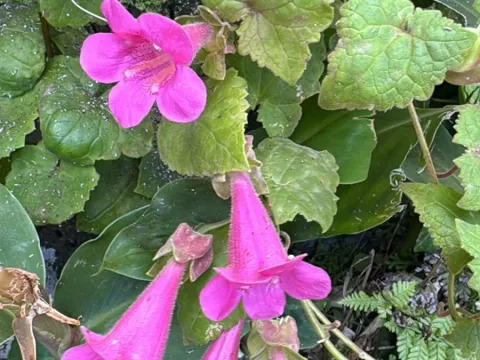
Lophospermum
Lophospermum D. Don
Sowing Lophospermum seeds is typically done in late winter or early spring, specifically February or March. Starting the seeds early is essential as the plant has a slow initial growth rate before it establishes a strong root system.
What the section contains


Lophospermum
Seeds should be sown in trays filled with a light, well-draining, and moisture-retentive growing medium. Because the seeds are tiny, they should not be buried deep; pressing them gently into the surface and covering them with a light dusting of vermiculite is sufficient.
To ensure germination, maintain a consistent temperature between 20–22°C (68–72°F). Keep the growing medium evenly moist but not waterlogged, as excessive moisture can lead to damping-off disease in young seedlings.
Once the seedlings have developed at least two sets of true leaves, they should be pricked out into individual pots. This stage is crucial for building a strong foundation, allowing the plants to thrive when moved to their final growing position.
Acclimatizing the seedlings to outdoor conditions is necessary before transplanting. A hardening-off period of at least two weeks, where plants are gradually exposed to ambient temperatures, helps prevent transplant shock and ensures better survival rates.
Lophospermum is a genus of herbaceous vines belonging to the Plantaginaceae family. Originally native to Mexico and Central America, these plants are popular for their fast growth and showy, bell-shaped flowers that appear throughout the season.
The plant thrives in locations with full sun to partial shade. In regions with extremely hot summers, some afternoon shade is recommended to prevent leaf scorching and to help keep the root system cooler during peak temperatures.
Well-draining, nutrient-rich soil is essential for Lophospermum. Whether grown in containers or in the ground, the soil must be aerated to prevent water stagnation, which can lead to rapid root decay if not managed correctly.
Consistent watering is necessary throughout the growing season. While the plant should not be left in soggy soil, it must not be allowed to dry out completely, as drought stress will significantly inhibit growth and floral production.
Providing a sturdy support structure is vital for this climber, as it can grow several meters in a single season. Regular feeding with a balanced liquid fertilizer every two weeks will encourage dense foliage and a continuous display of blossoms.
Common pests associated with Lophospermum include aphids, spider mites, and whiteflies. These insects frequently attack the tender new growth, causing curling leaves, stunted development, and potential viral transmission if left unchecked.
Regular monitoring of the foliage, particularly the undersides of leaves, is the best preventive strategy. If an infestation occurs, applying insecticidal soaps or systemic pesticides can help regain control of the situation.
Fungal issues such as root rot are typically linked to poor cultural practices, such as overwatering or lack of airflow. Ensuring that the plant has adequate ventilation and that the growing medium is well-drained are the primary defenses against these infections.
Powdery mildew can sometimes develop in humid conditions with poor circulation. To minimize risk, avoid overhead watering, which keeps foliage wet for extended periods, and ensure that plants are spaced appropriately to allow for airflow.
Maintaining sanitary practices, such as cleaning pruning shears between uses and removing dead or diseased plant tissue immediately, significantly reduces the likelihood of spreading pathogens within the garden environment.