
Limnophila ludoviciana
Limnophila ludoviciana
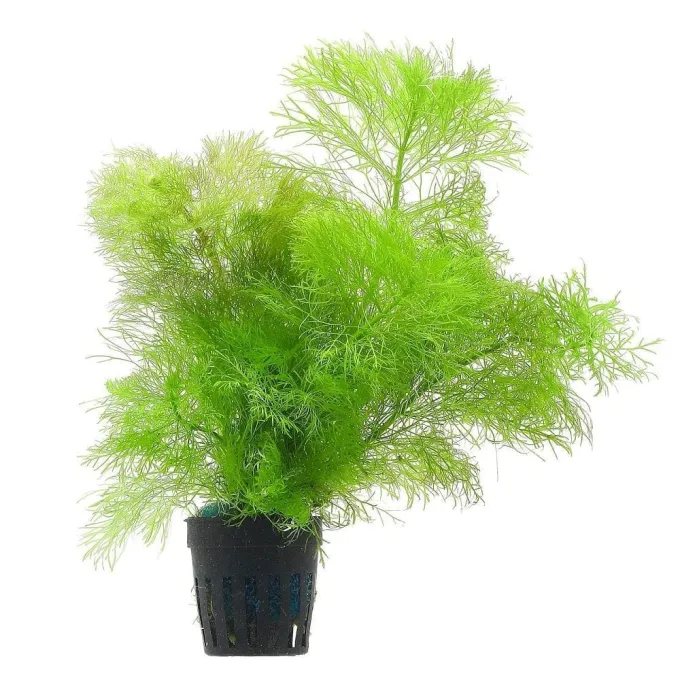
Description
Sowing dates
Limnophila ludoviciana is not a traditional field crop, but its commercial cultivation is thriving in nursery environments. The plant is primarily propagated through vegetative cuttings taken from healthy mother stems.
To ensure successful growth, cuttings should be planted in nutrient-rich substrate. The most active growth phase occurs from spring to autumn, corresponding with increased light intensity and longer daylight hours.
Cuttings can be planted in both submerged aquarium conditions and paludariums with high humidity. Proper spacing is essential to allow light to penetrate the lower whorls of the plant and prevent competition for nutrients.
Commercial producers use specialized liquid fertilizers supplemented with iron and essential microelements to boost growth. A fine-grained, nutrient-dense substrate is preferred to support the development of a robust root system.
Frequent pruning of the growing tips encourages lateral branching, which significantly increases the volume of planting material harvested from a single production area.
Growing requirements
Belonging to the Plantaginaceae family, this species is a true hydrophyte requiring stable aquatic conditions. It thrives at water temperatures ranging from 22 to 28 degrees Celsius.
Lighting is a critical factor for maintaining the plant's health and vibrant color. High-intensity lighting, provided for 10–12 hours daily, is necessary to prevent leggy, elongated stems.
Water requirements include soft to medium hardness with a pH level between 6.0 and 7.5. The plant is sensitive to water purity, necessitating effective filtration and regular partial water changes.
The addition of carbon dioxide (CO2) is highly recommended for professional cultivation, as it significantly accelerates growth rates and improves the overall vigor and appearance of the foliage.
The substrate must be rich in organic matter and permeable to allow delicate roots to spread. Specialized aquatic soils that buffer the water chemistry are ideal for long-term growth.
Yield
Limnophila ludoviciana is highly valued in the aquarium hobby for its aesthetic appeal and fast growth. It is primarily used to create dense, lush backgrounds in aquascaping projects.
Commercial production is measured by the number of bundles or individual stems harvested. These are sold through specialized aquatic plant retailers and garden centers.
The production cycle from cutting to a saleable plant typically takes between 4 and 8 weeks under optimized conditions. Rigorous quality control is applied to ensure plants are free from algae and pests.
Beyond aquariums, the plant is used in paludariums and humid terrariums, diversifying its commercial applications. Its ability to adapt its leaf structure to emersed growth is a unique botanical feature.
Economic efficiency depends on the automation of water parameter monitoring and the optimization of lighting systems, ensuring a consistent and high-quality supply of plants throughout the year.
Main diseases and pests
The primary threat to the crop is the overgrowth of filamentous and blue-green algae, which can quickly stifle the plant. Maintaining a biological balance is the best prevention strategy.
Nutrient deficiencies, particularly in iron, often lead to chlorosis. This manifests as yellowing and necrosis of the leaves, requiring immediate adjustment of the fertilization regimen.
Certain aquarium snails and crustaceans can cause physical damage to the soft stems and growth points. Biological control methods are generally preferred over chemical treatments to avoid damaging the plants.
Sudden fluctuations in water temperature or pH levels can trigger massive leaf drop. Maintaining a stable environment is crucial to prevent the plant from shedding its foliage.
Fungal infections are rare but can occur if organic waste accumulates in the substrate. Regular maintenance, such as substrate cleaning and water changes, is vital for long-term health.