
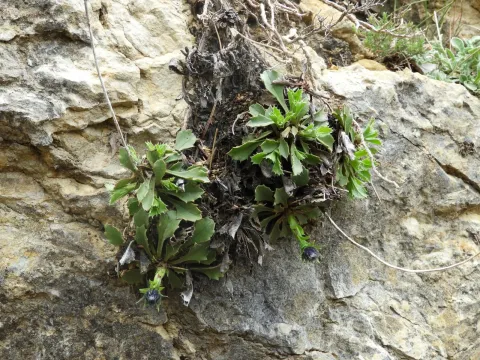
Globularia spinosa
Globularia spinosa
Globularia spinosa is a perennial herbaceous plant belonging to the Plantaginaceae family. In the wild, it is primarily found in the mountainous regions of Spain, being an endemic species of the Iberian Peninsula.
What the section contains
Globularia spinosa
For successful cultivation, this species requires well-drained, stony, or sandy soils. The plant is extremely sensitive to excess moisture, and stagnant water in the root system can lead to immediate plant death.
The crop prefers open, sunny locations with intense light. It is perfectly adapted to the conditions of rock gardens and alpine beds, where mountain-like growing conditions with excellent air circulation are simulated.
The temperature regime should correspond to a temperate climate, though the plant possesses good winter hardiness. It tolerates direct sunlight and short periods of drought well, which is attributed to its evolutionary adaptation to harsh conditions.
In terms of agricultural practices, it is crucial to avoid overwatering and the application of excessive nitrogen fertilizers, which promote loose, weak growth and reduce the plant's resistance to environmental stresses.
The main threat to the plant consists of fungal diseases caused by waterlogged substrates. Root rots develop rapidly when the drainage regime is compromised.
Pests rarely affect Globularia; however, under conditions of poor ventilation or high humidity, aphid infestations are possible. Periodic preventive inspections of the leaf rosettes are necessary.
Slugs and snails may damage young leaves during the period of active spring growth, so protective barriers should be applied if necessary.
Violation of cultivation practices, such as planting in heavy, clay soils, leads to plant weakening and the development of chlorosis. Proper site selection is the primary method of disease prevention.
If fungal infection occurs, immediate treatment with broad-spectrum fungicides and an adjustment of the watering schedule towards reduction are recommended.