
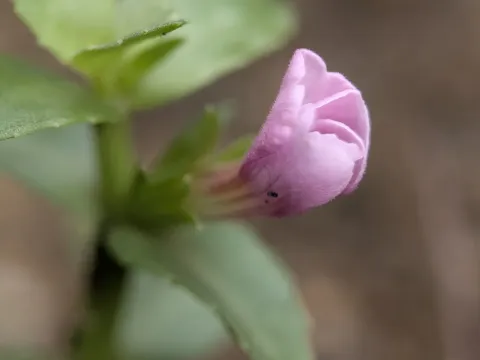
Gratiola
Gratiola
Gratiola officinalis, commonly known as hedge hyssop, is a perennial herbaceous plant belonging to the Plantaginaceae family. It is historically associated with wetlands and riparian habitats, making it a specialized crop for humid environments.
What the section contains


Gratiola
Water management is the most critical aspect of Gratiola cultivation. The plant requires constant soil moisture to thrive, and any drought stress significantly reduces the quality and quantity of the harvestable biomass.
The ideal growing medium for this species is a nutrient-rich, heavy soil such as loam or silt. These soil types provide the necessary water retention capacity that the plant's shallow root system requires to sustain active vegetative growth.
Exposure to full sunlight is essential for optimal productivity. While Gratiola can tolerate partial shade in the wild, commercial cultivation yields are maximized in open field conditions with ample light exposure throughout the growing season.
Agronomic maintenance centers on irrigation scheduling and soil fertility management. Ensuring that the nutrient balance, particularly nitrogen and phosphorus, is maintained in a soil with neutral to slightly acidic pH levels is vital for crop health.
The primary threats to Gratiola crops are fungal diseases triggered by waterlogging and stagnant air. Root rot is the most common issue, usually resulting from inadequate soil aeration in high-humidity cultivation settings.
Foliar diseases, such as leaf spot, are prevalent during rainy seasons. Proper row spacing is a fundamental management strategy to improve air circulation and reduce the incidence of these opportunistic infections among the plant population.
Gastropods, including slugs and snails, are the most significant pests for this crop. Their ability to thrive in the same moist environments favored by Gratiola makes them a constant threat to the integrity of the leaves and stems.
Due to the presence of toxic glycosides in the plant tissues, most insect pests avoid Gratiola. This natural chemical defense system reduces the need for extensive chemical pest control, favoring integrated pest management approaches.
Maintaining a clean field environment by removing debris and weeds is the best preventative measure. Overgrowth creates microclimates that trap moisture, directly increasing the risk of both fungal outbreaks and pest colonization.