
Globularia trichosantha
Globularia trichosantha
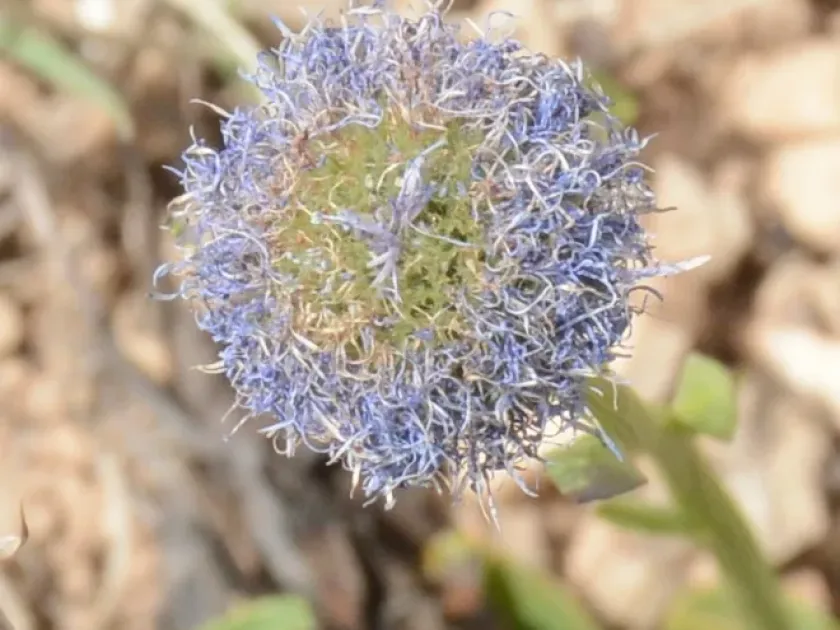
Description
Sowing dates
Sowing of Globularia trichosantha seeds is best performed in early spring, ensuring the soil has warmed up sufficiently for germination.
Autumn sowing is also highly effective as it allows the seeds to undergo a natural winter stratification period, which increases the germination rate significantly.
For container-grown seedlings, start the process indoors in late winter, placing the pots in a bright area with temperatures around 5 to 10 degrees Celsius.
Surface sowing is recommended as the seeds require a certain amount of light to initiate growth; do not cover them with heavy layers of soil.
Pricking out the seedlings into individual pots is necessary once the first few sets of true leaves have developed to ensure healthy root development.
Growing requirements
Globularia trichosantha belongs to the Plantaginaceae family and is native to mountainous, rocky habitats where drainage is excellent.
The plant thrives in full sun, which is essential for maintaining its compact, mat-forming growth habit and ensuring a profusion of flowers.
Soil conditions should be gritty, well-draining, and neutral to slightly alkaline, mimicking the limestone-rich environments of their natural habitat.
This species is highly drought-tolerant and performs best when not overwatered; excellent drainage is the key to preventing root-related stress.
Low-nutrient soils are perfectly adequate for this plant, as high fertility often results in leggy growth rather than the desired dense, compact appearance.
Yield
In ornamental horticulture, the productivity of this plant is measured by its capacity to produce dense mats and abundant globose flower heads.
The plant provides a high yield of aesthetic value, particularly in alpine gardens, rockeries, and trough gardens where space is limited.
When grown for seed production, ensuring consistent but light moisture during the budding stage helps to maximize the quantity of viable seed.
The visual impact of the bloom is sustained throughout the late spring and summer months, making it a highly valued component of low-maintenance landscaping.
Longevity is a key feature, as well-established clumps can thrive and bloom for many years, providing a reliable display every season.
Main diseases and pests
The primary threats to this plant are fungal pathogens resulting from excessive moisture, particularly crown rot during the wetter months of the year.
Pests like aphids may occasionally infest new growth, especially during periods of stress, so monitoring and biological controls are advised.
In regions with heavy clay soils, incorporating coarse gravel into the planting site is essential to mitigate the risk of waterlogging and root rot.
Invasive weeds can pose a threat to young seedlings; keeping the surrounding area clear of competition is vital for early development.
Slugs and snails can cause damage to the foliage during moist spring weather, so vigilant protection is necessary in susceptible garden locations.
Harvesting
Seed harvesting should take place once the flower heads have transitioned from their vibrant color to a dry, brown state.
Gently collect the heads on a dry day, cutting them carefully to prevent the seed from scattering prematurely onto the ground.
Dry the harvested material indoors in a well-ventilated, shady area to ensure that all moisture is removed before final cleaning.
Store seeds in a cool, dry place within breathable containers to maintain high viability for the next planting season.
For dried flower arrangements, the blossoms can be harvested at their peak, though they retain their ornamental quality best when kept in a dry state.