
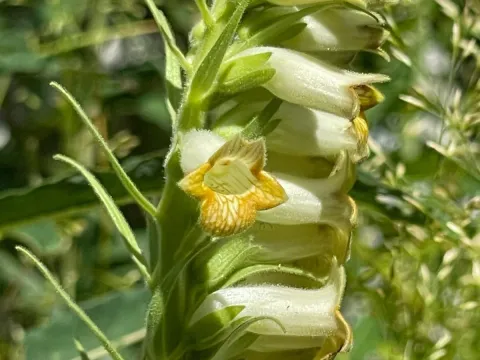
Green-flowered foxglove
Digitalis viridiflora
Sowing of Digitalis viridiflora should be performed in early spring or late autumn, ensuring the seeds receive the necessary conditions to break dormancy for successful germination.
What the section contains
Green-flowered foxglove
Since the seeds are extremely small, they should be surface-sown on fine, well-prepared soil and only lightly pressed down, as they require light exposure to sprout effectively.
For greenhouse cultivation, seeds are sown in trays, keeping them in a warm environment until emergence, followed by thinning or transplanting into individual pots to strengthen root systems.
Direct field sowing requires precise soil moisture management, as the delicate seedlings are highly susceptible to drying out during the initial stages of their life cycle.
Once seedlings have developed a few sets of true leaves, they are typically hardened off before being transplanted to their final location in the nursery or garden bed.
The green-flowered foxglove thrives in positions that offer full sun to partial shade, preferring well-drained, fertile soil enriched with organic matter for optimal growth.
As a member of the Plantaginaceae family, it is sensitive to waterlogged conditions, making adequate soil drainage a critical factor in preventing root diseases and ensuring vigor.
Regular irrigation is essential during dry spells, though care should be taken to water at the base of the plant to keep the foliage dry and prevent potential fungal growth.
Routine fertilization with balanced plant nutrients during the early stages of vegetation promotes the development of strong flowering stems and lush basal leaf rosettes.
The species demonstrates reliable hardiness in temperate climates, though mulching the soil surface before winter helps protect the root system against severe freeze-thaw cycles.
Powdery mildew represents a frequent issue, especially in late summer, characterized by a white powdery coating on leaves that can diminish the plant's overall health if left untreated.
Fungal leaf spots can occur when air circulation is poor, particularly in plantings with high density; thus, providing sufficient space between plants is a vital preventative measure.
Root rot is the most serious threat, usually triggered by poor drainage or overwatering, necessitating the immediate removal of affected plants to prevent spreading to healthy ones.
Aphids often target the developing flower spikes, requiring prompt monitoring and the use of insecticidal soaps or biological controls to protect the reproductive parts of the plant.
Integrated pest management strategies, such as maintaining weed-free rows and using resistant cultivars where possible, significantly reduce the risk of major infestations and diseases.