
Globularia vulgaris
Globularia vulgaris
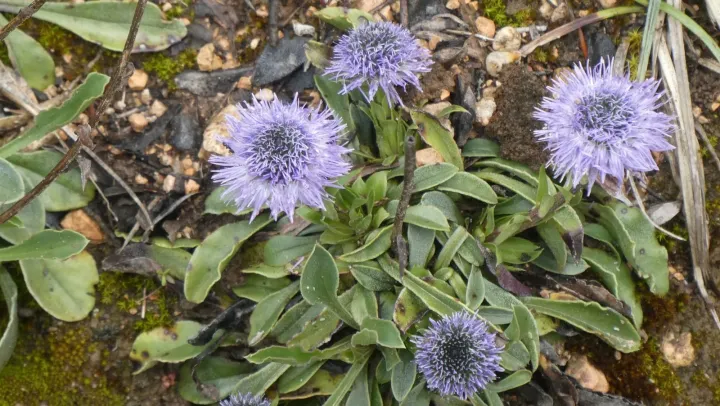
Description
Sowing dates
Seeds of Globularia vulgaris require stratification to achieve high germination rates. It is recommended to sow them in late autumn or early spring, keeping the substrate moist and cool for several weeks before moving them to a warmer location.
Light is essential for the germination of these seeds, so they should be surface-sown or covered with only a very thin layer of fine sand. Placing the seed tray in a bright spot away from direct midday sun helps prevent the soil from drying out too quickly.
Seedlings are delicate and slow-growing during their first season. Care should be taken during transplantation to minimize root disturbance, as the plant prefers not to be moved once established in its permanent location.
When planting out in the garden, ensure a spacing of 20 to 30 centimeters between specimens. This allows for adequate air circulation, which is crucial for the long-term health of the plant.
Vegetative propagation via division can be performed in the spring or late summer. Ensure that each section has a healthy root portion to guarantee quick establishment in the new planting site.
Growing requirements
Globularia vulgaris, a member of the Plantaginaceae family, is native to the rocky, calcareous habitats of Europe. It thrives in conditions that mimic its natural alpine environment, prioritizing excellent drainage.
The ideal soil for this species is alkaline or neutral, gritty, and low in organic matter. Adding crushed limestone or small stones to the planting hole can help meet the specific soil requirements of the plant.
Full sun is required for optimal flowering and compact growth. If grown in partial shade, the plant tends to become leggy and produces significantly fewer of its characteristic blue, globe-shaped inflorescences.
This plant is quite drought-tolerant once established, but it benefits from moderate watering during the heat of summer. Avoid over-watering, especially in winter, as wet soil is the primary cause of plant death.
In terms of maintenance, trimming back the flower stalks after blooming can encourage the plant to produce more foliage and potentially a second, smaller flush of flowers late in the season.
Main diseases and pests
Root rot is the most common threat to Globularia vulgaris, usually resulting from poor drainage or excessively high soil moisture levels. Improving the substrate aeration is the best curative approach.
Powdery mildew can occur if the plant is subjected to poor air circulation. Removing crowded or dead plant material helps to maintain a healthy environment and prevents fungal spores from spreading.
Slugs and snails can be highly destructive to young foliage during the spring. Implementing manual control measures or using protective barriers around the perimeter of the planting area is highly effective.
Occasional infestations of aphids may occur on the stems or buds. If the infestation is light, washing them off with a strong stream of water is often sufficient; otherwise, mild insecticidal soap can be used.
Regular monitoring of the garden bed ensures that pests are detected early. Maintaining a clean garden surface by removing debris reduces the likelihood of both pest and disease outbreaks significantly.