
Globularia salicina
Globularia salicina
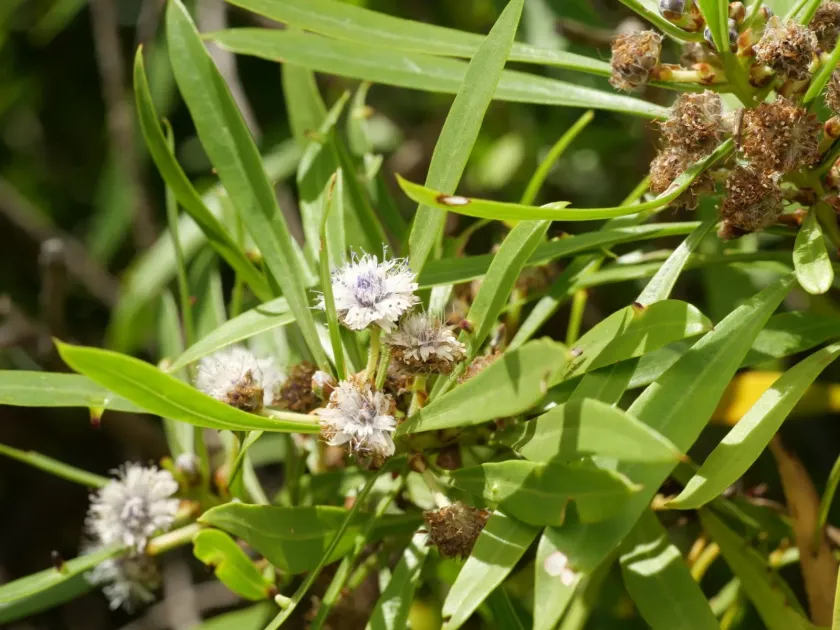
Description
Growing requirements
Globularia salicina, commonly known as a member of the Plantaginaceae family, is an evergreen shrub native to the Macaronesian region. It is highly valued for its dense foliage and specific growth habits in its natural habitat.
The plant thrives in well-drained, slightly acidic to neutral soils. It requires significant aeration, as the roots are sensitive to compaction and waterlogging, which often leads to rapid decline in plant health.
Climatically, it prefers mild conditions without extreme frost. It flourishes in locations with ample sunlight, though it can tolerate partial shade in areas with high solar intensity to prevent leaf scorch.
Agronomic management includes light fertilization during the active growing season. Applying organic compost or slow-release balanced fertilizers helps maintain the vigor of the shrub throughout the year.
Watering schedules should be adjusted based on seasonal changes, ensuring the soil remains moist but never saturated. In containers, proper drainage holes are critical for survival.
Main diseases and pests
The main threats to Globularia salicina are soil-borne pathogens, particularly Phytophthora and Pythium species, which thrive in wet, stagnant conditions. Proper site selection is the primary defense.
Pests such as spider mites and mealybugs are common, especially in greenhouse environments or during hot, dry spells. These pests can weaken the plant by feeding on sap and foliage.
Integrated Pest Management (IPM) is recommended, focusing on maintaining adequate humidity and good air circulation around the plant to discourage infestation outbreaks.
Regular sanitation, including the removal of dead or decaying leaves and twigs, prevents the buildup of fungal spores. This is essential for maintaining the overall longevity of the plant.
If chemical interventions are necessary, choosing selective miticides or organic insecticidal soaps can minimize the impact on beneficial insects while effectively controlling the pest population.