
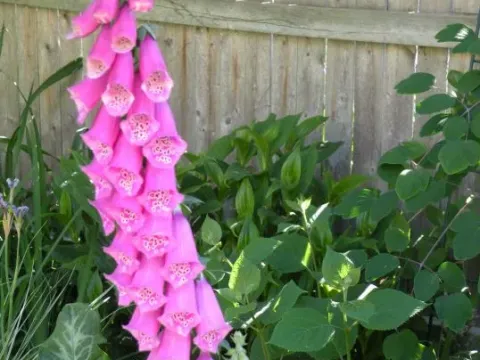
Digitalis hybrids
Digitalis hybrids
Seeds of Digitalis hybrids are typically sown in early spring, specifically in March or April, using indoor trays. Because the seeds are extremely small and require light for germination, they should not be buried deep in the soil but rather pressed gently onto the surface.
What the section contains
Digitalis hybrids
For outdoor sowing, it is best to wait until May when the risk of frost has passed and the soil has warmed up sufficiently. A consistent temperature of around 18–20 degrees Celsius is optimal for uniform germination of the seedlings.
The success of sowing depends largely on the quality of the substrate, which should be light, well-draining, and slightly acidic or neutral. Covering the seed trays with clear plastic helps maintain the humidity necessary for early development.
Pricking out the seedlings occurs once the first two or three true leaves emerge, at which point they are transferred to individual pots or a nursery bed. Digitalis grows slowly in its first year, focusing mainly on establishing a sturdy basal rosette of leaves.
Transplanting into the final garden location should take place in late summer or early autumn. Proper spacing of 30–40 centimeters between plants is essential to provide enough room for growth and adequate airflow during the flowering stage.
Digitalis hybrids, members of the Plantaginaceae family, are stunning flowering plants prized for their tall, dramatic spires. They can reach heights of 100–150 centimeters, adorned with large, bell-shaped flowers in a wide array of vibrant colors.
These plants thrive best in positions offering full sun to partial shade, sheltered from strong winds which could potentially snap the heavy flower stalks. They are generally adaptable to temperate climates but prefer protection during severe winter months.
Soil quality is paramount for Digitalis; they require fertile, humus-rich loamy soil that provides excellent drainage. Waterlogged soil is detrimental and frequently leads to root rot, which is why proper site selection is a key component of their cultivation.
During the active growth phase, supplemental feeding with balanced mineral fertilizers is recommended to encourage vigorous development and large, dense inflorescences. Organic amendments can also be added to improve soil structure before planting.
Standard horticultural care involves regular weeding and light soil cultivation to improve aeration. Applying a layer of mulch around the base of the plants helps retain moisture, which is beneficial for the plants during warm, dry summer spells.
Powdery mildew is the most common fungal problem affecting Digitalis hybrids, typically appearing as a white, dusty layer on the foliage in humid conditions. Good spacing and adequate air circulation are the primary methods for managing this disease.
Leaf spot diseases can also occur, causing discolored patches and premature senescence of the leaves. Fungicidal treatments may be necessary if an infection becomes widespread, alongside the practice of removing and destroying affected foliage.
Aphids represent the most significant pest pressure, often gathering on the tender buds and tops of flower stems. Their feeding causes distortion and stunted growth, so monitoring should start as soon as the flower spikes begin to emerge.
Root rot remains a chronic threat, especially in sites where drainage is suboptimal. To mitigate this risk, gardeners should avoid overwatering and ensure that the root zone is never left in stagnant water for extended periods.
General hygiene in the garden, including the removal of dead flower spikes and withered leaves, significantly reduces the likelihood of pest and disease outbreaks. Keeping the planting area clean is essential for healthy, long-lived specimens.