
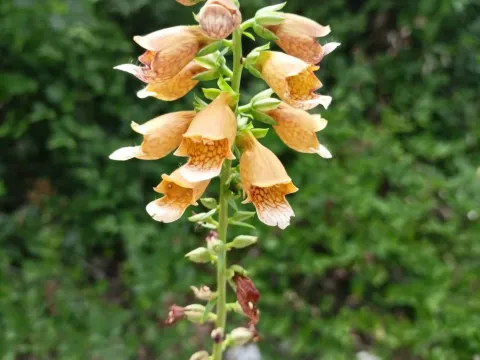
Digitalis laevigata
Digitalis laevigata
Sowing of Digitalis laevigata should be conducted in early spring, once soil temperatures reach at least 10-12 degrees Celsius. The seeds require stratification to break dormancy and respond positively to light exposure during germination.
What the section contains
Digitalis laevigata
The optimal sowing depth is shallow, ranging between 0.5 to 1 centimeter. Due to the very small size of the seeds, it is recommended to mix them with fine sand to ensure an even distribution across the sowing area.
Autumn sowing is also a viable option, performed in October. This method allows the seeds to undergo natural winter hardening, leading to more vigorous and early emergence during the following spring season.
Constant surface moisture is essential during the germination phase. Any significant drying out of the topsoil layer at this fragile stage can lead to a total loss of the newly emerged seedlings.
Once seedlings develop a few true leaves, thinning is necessary to provide 30-40 centimeters of space between individual plants. Proper spacing is critical to ensure the development of a robust leaf rosette.
Digitalis laevigata, a member of the Plantaginaceae family, thrives best in sunny conditions but can tolerate partial shade. However, optimal accumulation of medicinal compounds is best achieved under full light.
The crop requires fertile, loose, and well-drained loam soils with a neutral or slightly acidic pH. Avoiding waterlogged areas is essential, as excessive moisture often leads to root rot and other physiological issues.
While the plant exhibits moderate drought tolerance, regular irrigation is required during critical growth stages. Establishing a consistent moisture regime is key to supporting uniform development and high productivity.
Fertilization must be balanced, focusing on phosphorus and potassium. Excessive nitrogen can lead to rapid, lush growth that lacks the necessary pharmacological concentration, thus reducing the raw material's value.
Soil aeration through regular inter-row cultivation is a vital agronomic practice. It prevents crusting and improves root oxygenation, which is crucial for the overall health and vigor of the plants.
The yield of Digitalis laevigata depends heavily on the intensity of the agronomic management and regional climatic stability. High yields of dried leaf material are typically achievable by the second year of growth.
In the first year, the focus of the plant is on building the vegetative leaf rosette. This primary harvest represents the bulk of the yield, containing high levels of cardiac glycosides if cultivated correctly.
Implementing targeted fertilization programs enhances the synthesis of active ingredients. Carefully managing the nutrient supply ensures the plants achieve their potential while maintaining their medicinal potency.
Crop yield is also influenced by planting density. Finding the balance between maximum coverage and individual plant space allows for high output while preventing competition that could stress the plants.
Harvesting is performed in several stages throughout the growing season. This systematic approach allows for a continuous supply of material without compromising the long-term health of the field.
The crop is susceptible to various fungal pathogens, including leaf spot and powdery mildew. These diseases typically thrive in conditions characterized by high humidity and poor air circulation within the canopy.
Root rot represents a severe non-infectious threat, particularly in poorly drained or heavy clay soils. Ensuring proper drainage at the site selection stage is the most effective way to mitigate this risk.
Aphids and various leaf-feeding insects are the primary pests. Their impact extends beyond physical leaf damage, as they can also serve as vectors for viral diseases that significantly impact crop performance.
Integrated pest management strategies are recommended to keep damage below the economic threshold. Preventive measures, such as proper crop rotation and weed management, minimize the need for heavy chemical intervention.
Maintaining plant vigor through balanced nutrition and proper spacing is the best defense against disease outbreaks. Strong, healthy plants are significantly more capable of resisting common environmental pathogens.
Harvesting Digitalis laevigata requires strict safety protocols, as the plant contains potent bioactive compounds that are toxic if ingested. Protective equipment, including gloves, must be worn during all handling stages.
The optimal harvest window occurs during dry, sunny weather, preferably in the middle of the day. This timing ensures that the moisture content is low and the concentration of cardiac glycosides is at its highest.
Leaves are cut using sharp tools to avoid damaging the central growth point of the rosette. This care ensures the plant remains productive for future harvests throughout the growing season.
Immediate drying is required to prevent degradation of the active components. Temperatures in the drying facility should be strictly controlled between 50-60 degrees Celsius to effectively stabilize the chemical profile.
After reaching the desired moisture content of 12-14 percent, the material should be stored in cool, dark, and well-ventilated conditions. Quality checks are essential to ensure the shelf-life and efficacy of the harvest.