
Derwent speedwell
Veronica derwentiana
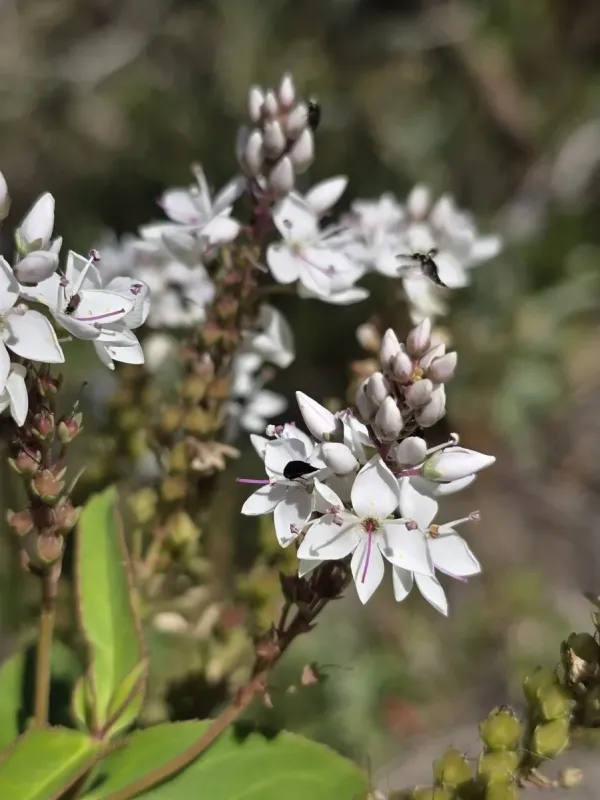
Description
Growing requirements
Derwent speedwell (Veronica derwentiana) is a herbaceous perennial plant belonging to the Plantaginaceae family. Originally native to Australia, this plant has gained popularity in temperate climate zones for its striking architectural foliage and flowers.
The culture thrives in well-drained, fertile soils with a neutral or slightly acidic profile. It is essential to choose a site that prevents waterlogging, as the root system is highly susceptible to rot when kept in saturated soil for extended periods.
Exposure requirements involve full sun or partial shade. While the plant is adaptable, it performs best in positions where it can receive several hours of direct morning sunlight while being protected from intense afternoon heat.
Regular irrigation is necessary, especially during the establishment phase and prolonged summer droughts. To optimize growth, mulch should be applied around the root zone to regulate soil temperature and moisture retention.
From a botanical standpoint, the plant develops sturdy stems and distinctive lance-shaped leaves. It is a robust grower that benefits from seasonal pruning to maintain a tidy habit and encourage more prolific flowering in the following season.
Main diseases and pests
Like many species in the Veronica genus, Veronica derwentiana may face challenges from fungal pathogens such as powdery mildew, especially in humid and poorly ventilated conditions. Prevention is key to maintaining a healthy display.
Insect pests, including aphids and spider mites, are common threats. These pests often congregate on the underside of leaves and young shoots, which can lead to stunted growth if left unmanaged during the early spring or late summer months.
Integrated pest management strategies should include regular monitoring and the removal of severely affected plant parts. If chemical intervention becomes necessary, systemic insecticides should be used in accordance with environmental guidelines.
Fungal issues are effectively mitigated through proper spacing between plants, which improves airflow and reduces humidity levels within the canopy. Application of preventive copper-based fungicides can also be beneficial in damp seasons.
Ultimately, a well-fertilized and properly spaced plant will exhibit higher resistance to both biotic and abiotic stresses. Ensuring the plant is not overcrowded is one of the most effective measures for long-term health and vitality.