
Cymbalaria microcalyx
Cymbalaria microcalyx
Description
Growing requirements
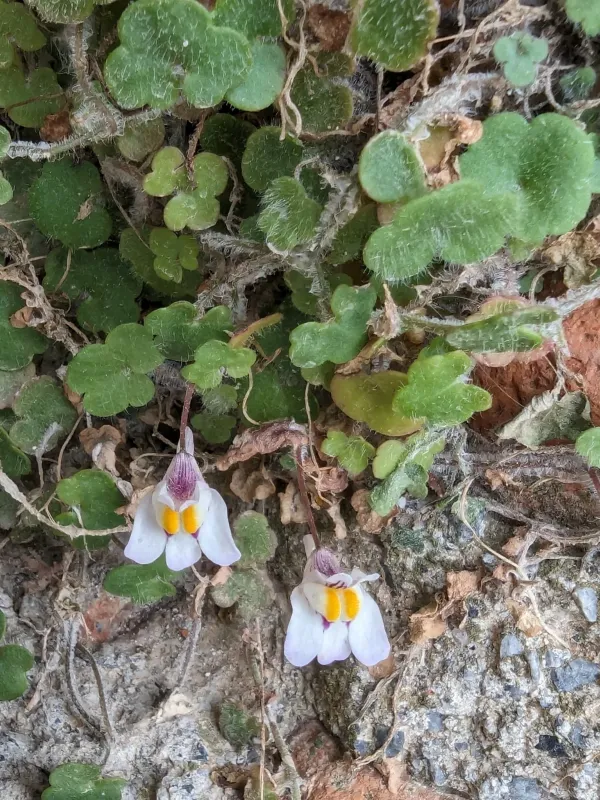
Cymbalaria microcalyx is a perennial herbaceous plant belonging to the Plantaginaceae family. Originally native to the Mediterranean region, it has adapted to growing in rocky crevices and stony habitats, demonstrating excellent resilience in specialized micro-climates.
The plant is characterized by its trailing stems that readily root at the nodes, allowing it to spread across surfaces effectively. Its small, rounded leaves are often delicate and clustered, creating an attractive, dense foliage mat that remains visually appealing throughout the growing season.
Successful cultivation requires well-draining soil that is rich in minerals but not overly fertile. The plant thrives in semi-shaded areas, as extreme exposure to direct sunlight can lead to rapid moisture loss from the soil and potential leaf scorching in warmer regions.
Climate adaptability is a key factor, as this species prefers mild winter temperatures and temperate summer conditions. In cooler regions, it is best grown in containers that can be moved indoors or protected during extreme frost to ensure the plant's survival.
In terms of practical use, it is a highly valued ornamental plant in landscaping. It is frequently utilized in rock gardens, for greening vertical stone walls, and as an aesthetic filler for gaps between pavers in garden pathways, adding a refined natural touch.
Main diseases and pests
The primary threat to the health of Cymbalaria microcalyx is the accumulation of excessive moisture in the root zone. Poor drainage during the dormant period or rainy seasons often leads to fungal root rot, which can be fatal to the plant if not addressed early.
Slugs and snails are the most common pests that pose a significant danger to the succulent foliage. Gardeners should implement protective barriers or use organic control methods during high-humidity periods to prevent these mollusks from damaging the plant's structure.
Fungal infections, such as powdery mildew, may occur if there is insufficient air circulation around the plants. Pruning excessively dense growth and ensuring adequate spacing between individual plants can significantly reduce the risk of such outbreaks.
Aphids can also affect the vitality of the plant by feeding on the sap of young stems. Regular monitoring and the application of mild insecticidal soaps are typically sufficient to manage these populations without causing long-term harm to the garden environment.
Maintaining plant health requires a balanced approach to watering and routine visual inspections for early signs of distress. By keeping the site clean of dead debris and ensuring proper light and air flow, the risk of pests and diseases is minimized.