
Cymbalaria pallida
Cymbalaria pallida
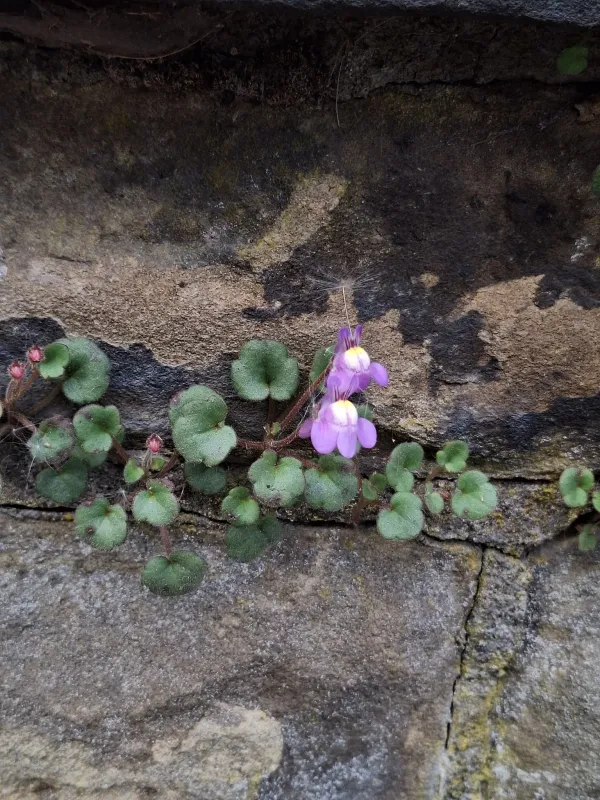
Description
Sowing dates
Cymbalaria pallida, a member of the Plantaginaceae family, is typically propagated through seed sowing in containers during late winter. The seeds require light for germination, so they should be sown on the surface of the soil and kept moist.
For outdoor cultivation, seeds should be sown in early spring after the risk of frost has passed. The soil must be loose and well-prepared to ensure optimal germination and early development of the seedlings.
Vegetative propagation is also highly effective for this species. Dividing mature plants or taking stem cuttings allows gardeners to quickly cover garden areas with a dense, green carpet of foliage.
When planting cuttings, it is essential to keep the medium consistently damp and provide protection from direct sunlight until the roots have established themselves. This usually takes about two to three weeks.
Proper spacing is crucial when transplanting young plants into the landscape. A distance of approximately 15 to 20 centimeters between specimens encourages healthy growth and prevents overcrowding later in the season.
Growing requirements
This plant thrives best in partial shade or areas with filtered light. It is sensitive to intense heat and prolonged exposure to direct sunlight, which can lead to leaf scorching and rapid moisture loss.
The soil should be light, fertile, and well-drained. Cymbalaria pallida does not tolerate waterlogged conditions, as poor drainage often leads to root rot and other fatal physiological issues.
Regular watering is necessary to maintain the health and vigor of the plant. The soil should be kept uniformly moist throughout the growing season, particularly during dry and hot weather.
The climate requirements include moderate temperatures. While it has some level of cold hardiness, it benefits from mulch or light protective cover in regions with harsh winters to safeguard its crown.
For the best ornamental results, a neutral to slightly alkaline soil pH is preferred. Periodic applications of balanced fertilizer during the growth phase will enhance flowering and foliage density.
Main diseases and pests
Slugs and snails are the most significant pests for Cymbalaria pallida. They are attracted to the succulent foliage and can cause severe damage if left unmonitored during wet, humid weather.
Root rot is the most common disease, primarily caused by excessive moisture and poor soil aeration. Maintaining a well-drained environment is the most effective preventative measure against this threat.
Aphid infestations can occur on tender new growth, weakening the plant and causing leaf curling. Controlling these insects early with insecticidal soaps or water sprays is recommended for small infestations.
Fungal issues like powdery mildew may arise if the plants are placed too closely together in environments with poor airflow. Thinning out the patches can help improve ventilation and reduce risks.
Regular monitoring for signs of stress, such as yellowing leaves or wilting, is essential. Timely intervention, whether through adjusting the watering schedule or managing pests, ensures the longevity of the planting.