
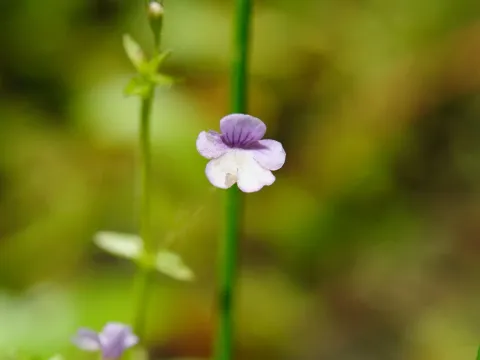
Deinostema
Deinostema
Deinostema is a genus of herbaceous plants belonging to the Plantaginaceae family. These plants are uniquely adapted to marshy habitats, thriving in environments where water availability is constant and often saturates the root zone.
What the section contains


Deinostema
To successfully cultivate Deinostema, it is essential to provide a substrate that mimics its natural boggy or riparian environment. A nutrient-rich, silty, or peaty soil medium is highly recommended to support healthy development.
The plants exhibit a preference for moderate light conditions and consistent temperatures. Avoid exposing them to direct, scorching sunlight, which can dehydrate the leaves even in moist conditions.
Botanically, the plant is characterized by its small, opposite leaves and a delicate stem structure. This morphology allows it to efficiently utilize nutrients dissolved in the surrounding water, making it an excellent candidate for aquatic environments.
In terms of practical usage, Deinostema is valued in the aquarium hobby and for landscaping artificial wetlands. Its aesthetic appeal and oxygenating properties contribute to the stability of the aquatic ecosystems where it is grown.
Fungal infections remain a primary concern for Deinostema when water stagnation occurs. Proper water circulation and maintaining hygiene in the cultivation area are crucial for preventing root rot.
Snails and other aquatic invertebrates are known pests that feed on the tender foliage of the plants. Integrated pest management, focusing on physical removal or biological controls, is suggested.
Algal blooms pose a significant competitive threat by overshadowing the plant and restricting its access to light. Regular pruning of algae and controlled fertilization are vital for plant health.
Improper mineral balance in the water can lead to chlorosis, where leaves lose their vibrant color and structure. Supplementing with specific trace elements helps to maintain the plant's physiological vigor.
Sudden drops in ambient temperature can induce stress, leading to stunted growth or leaf drop. Keeping the environmental parameters within the species' preferred range is essential for consistent productivity.