
Digitalis leucophaea
Digitalis leucophaea
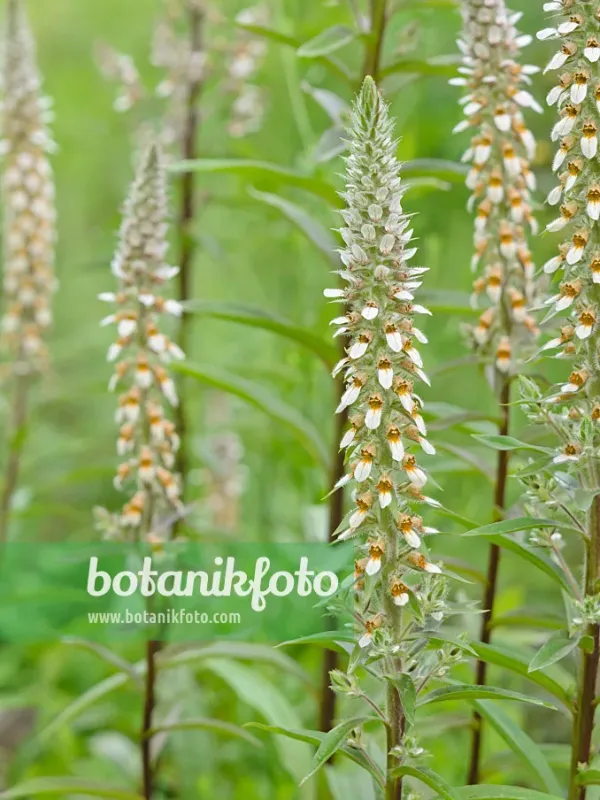
Description
Sowing dates
Sowing Digitalis leucophaea is best performed in early spring or late autumn, as the seeds require specific temperature cues to break dormancy and germinate successfully.
It is critical to surface-sow the seeds because they are light-dependent for germination; burying them too deeply will significantly reduce the emergence rate of the crop.
When starting in trays, maintaining a stable temperature of around 20 degrees Celsius and ensuring high humidity during the first few weeks is recommended for uniform growth.
Once the seedlings develop their first true leaves, they should be hardened off before being transplanted into the final field location at a spacing of 30-40 cm.
Careful site selection is necessary to ensure that the soil has been cleared of weeds, which could otherwise overwhelm the slow-growing initial rosettes of this species.
Growing requirements
The species thrives in well-drained, sandy loam soils rich in organic matter, as it is highly sensitive to waterlogging which can induce root decay.
While Digitalis leucophaea is quite drought-tolerant, it requires supplementary irrigation during the peak summer months to support the development of its elaborate flower spikes.
Full sun exposure is preferred for maximum flower production, although it can tolerate partial shade in regions with extremely intense summer heat to prevent scorching.
This plant belongs to the Plantaginaceae family and performs best in regions with mild winters, as it remains as a rosette throughout the colder months.
Nutrient management should focus on balanced NPK applications, avoiding excessive nitrogen which can lead to lush but weak foliage susceptible to lodging.
Main diseases and pests
Powdery mildew is a frequent issue in humid climates, often occurring when air circulation is poor, necessitating adequate spacing between individual plants.
Root rot caused by Phytophthora or Pythium species is a major threat in soils with poor drainage, making soil preparation and structure critical for survival.
Aphids and spider mites are common pests that feed on the sap of tender leaves, requiring integrated pest management strategies to maintain plant health throughout the season.
Snails and slugs can be detrimental to young transplants, particularly during damp spring weather, often requiring baiting or physical barriers to protect the crop.
Regular monitoring for viral symptoms, such as leaf mottling or stunted growth, is advised to prevent the spread of infections within the cultivated population.