
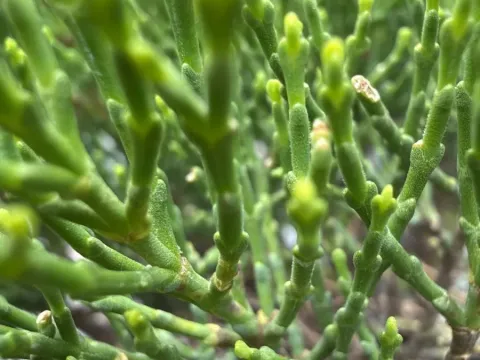
Cypress hebe
Veronica cupressoides
Cypress hebe (Veronica cupressoides, often referred to as Hebe cupressoides) belongs to the Plantaginaceae family. It is a distinctive evergreen shrub that mimics the appearance of conifers due to its tiny, scale-like leaves.
What the section contains
Cypress hebe
This species is native to the subalpine regions of New Zealand. In its natural habitat, it thrives in open, rocky environments, demonstrating a remarkable adaptation to cool, windy, and high-altitude conditions.
To cultivate this plant successfully, you need well-drained, gritty, or sandy soil. It does not tolerate waterlogged ground, so planting it on slight slopes or in raised rock beds is highly recommended.
It prefers full sun exposure to maintain its dense, compact habit, although it appreciates some shade during the hottest part of the day in warmer climates. The plant is hardy to moderate frost but requires shelter from harsh, freezing winds.
Agrotechnical care includes minimal fertilization and regular, light pruning in late spring. This helps the plant maintain its natural, rounded shape and encourages fresh growth that prevents the center from becoming woody.
Root rot is the most common threat, primarily caused by poor soil drainage. Ensuring that water moves away from the root system quickly is crucial for long-term survival in garden settings.
Pests such as aphids and leaf-eating caterpillars can sporadically infest the foliage. Monitoring the plant regularly during the active growing season allows for early intervention with mild insecticidal soaps.
Fungal issues, including leaf spots and powdery mildew, may occur if the plant is placed in a stagnant, humid area with low air circulation. Proper spacing between plants is essential for prevention.
The shrub is sensitive to heavy applications of nitrogen, which can lead to soft, succulent growth that is more prone to winter damage and pest attacks. Use balanced, slow-release fertilizers instead.
In container cultivation, ensure that the pot has large drainage holes and use a high-quality, porous potting mix. This approach minimizes the risk of pathogen buildup and simplifies control measures.