
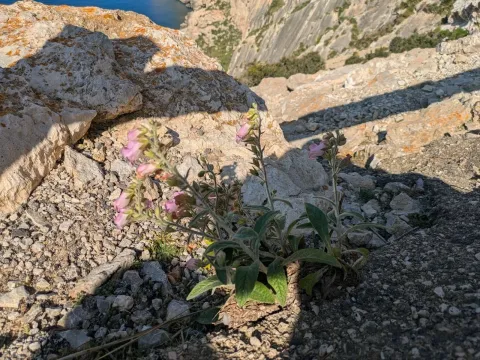
Digitalis minor
Digitalis minor
Sowing Digitalis minor requires careful preparation as the seeds are extremely small. They are typically sown on the soil surface, either in early spring or in late autumn, ensuring they are not buried deep, as light is essential for optimal germination rates.
What the section contains
Digitalis minor
For indoor propagation, seeds should be sown in seed trays filled with a sterile, fine-textured substrate. Maintaining a constant temperature of approximately 20 degrees Celsius and keeping the surface moist but not waterlogged is critical during the initial weeks of development.
Transplanting seedlings to their final location is best done once the plants have developed a sturdy rosette of leaves. Proper spacing of 30 to 40 centimeters between individual plants is recommended to allow for adequate airflow and to prevent the development of fungal diseases.
The seedbed must be thoroughly cleared of perennial weeds before sowing. Since the crop grows slowly during its initial stages, competition for nutrients and space from aggressive weeds can significantly hinder the establishment of the young digitalis plants.
Using a light layer of horticultural sand or fine vermiculite over the seeds can help keep them in place while allowing light penetration. This technique also assists in moisture regulation, ensuring that the fragile seeds do not dry out before germination occurs.
Digitalis minor is a member of the Plantaginaceae family and originates from the Balearic Islands. Its natural habitat implies a preference for sunny locations with well-drained, alkaline or neutral soils that mimic the conditions of its native limestone environments.
The crop thrives in conditions where water drainage is excellent. Heavy, compacted, or waterlogged soils are detrimental to the root system and must be amended with gravel or organic matter to improve soil structure and prevent root rot during rainy seasons.
In terms of climate, the plant prefers temperate conditions with moderate humidity. While it exhibits some tolerance to periods of dryness, consistent moisture during the active growing phase is necessary to ensure the production of high-quality medicinal biomass.
Fertilization should be balanced, focusing on the slow release of nutrients to support steady vegetative growth. High-nitrogen fertilizers should be avoided as they may lead to excessive foliage growth at the expense of flower development and active ingredient concentration.
Regular maintenance of the planting area is essential, including light hoeing of the soil surface to improve aeration. This practice supports healthy root respiration and prevents the formation of a surface crust, which can impede water infiltration after irrigation.
Powdery mildew and leaf spot diseases are common threats to Digitalis minor, particularly in environments with high humidity and poor air circulation. Implementing preventative measures such as wide spacing and proper irrigation scheduling is vital for plant health.
Root rot is a significant risk if the soil remains wet for extended periods. Once signs of wilting or discoloration appear at the base of the plant, intervention with appropriate fungicides may be necessary, provided the soil drainage is also corrected.
Aphids and spider mites are typical pests that infest the leaves, causing tissue damage and acting as potential vectors for viruses. Integrated pest management, focusing on biological controls, is the preferred strategy to keep pest populations at non-damaging levels.
Slugs and snails can severely damage young rosettes during damp weather conditions. Physical barriers, such as copper tape or crushed eggshells around the base of the plants, provide effective protection without the need for toxic chemical pesticides.
Viral infections, characterized by stunted growth or deformed leaves and flowers, are irreparable. Early identification and immediate removal of infected specimens are the only ways to prevent the spread of the pathogen throughout the cultivation plot.