
Cymbalaria longipes
Cymbalaria longipes
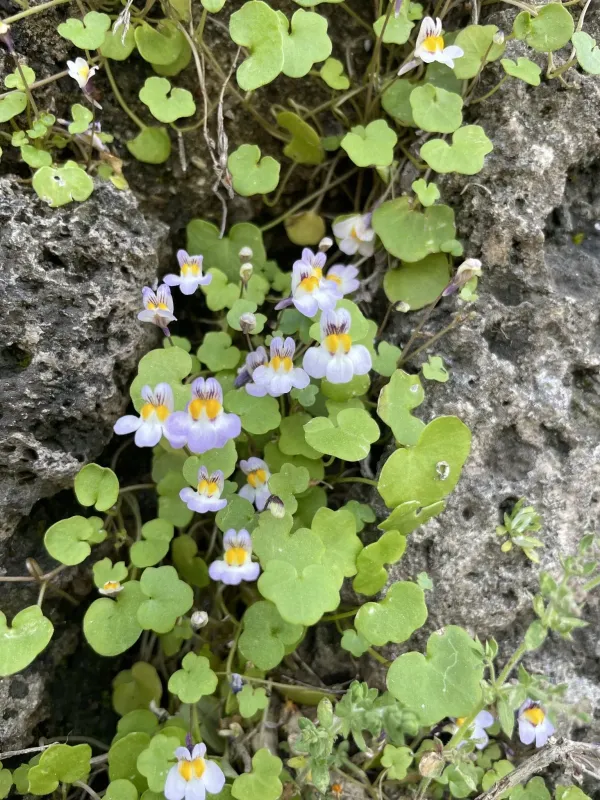
Description
Sowing dates
Cymbalaria longipes is a perennial herb belonging to the Plantaginaceae family, often noted for its delicate growth habit and specific environmental preferences.
The sowing process typically commences in early spring, specifically March or April, to ensure sufficient time for the plant to establish before the onset of extreme temperatures.
Seeds should be sown on the surface of the substrate, as they are light-dependent for germination, and should not be covered with a thick layer of soil.
Consistent moisture and a temperature range of 18–22 degrees Celsius are essential during the germination phase to ensure a high success rate and uniform development.
Thinning or transplanting is recommended once the seedlings have reached a sufficient size, providing each individual plant with enough space to optimize nutrient uptake.
Growing requirements
This crop thrives in well-drained soils with a neutral or slightly acidic reaction, requiring careful management of moisture levels to prevent root system degradation.
Cymbalaria longipes prefers locations with partial shade, as exposure to intense midday sun can cause dehydration and scorching of the delicate foliage.
Agronomic management involves regular fertilization with balanced nutrient solutions during the peak growing season to support continuous development and vigor.
Effective air circulation is a critical requirement, particularly when growing the plant in containers or greenhouses to avoid stagnation and subsequent health issues.
Although adaptable, the species requires protection during harsh winters if grown in colder climates, as prolonged soil freezing can cause root damage.
Main diseases and pests
The primary threats include fungal diseases caused by excess humidity and poor drainage, which can rapidly lead to wilting and decay of the plant tissues.
Pests such as spider mites and aphids are known to target the plant, especially during periods of high temperature and dry air, necessitating regular monitoring.
Cultural control methods, including proper spacing and sanitation, are highly effective in reducing the impact of these pests and maintaining plant health.
Integrated pest management, including the use of targeted biological agents, is recommended to minimize chemical residues and protect the local ecosystem.
Prompt identification of disease symptoms allows for efficient intervention, preventing the spread of infections to healthy plants within the production area.