
Digitalis valinii
Digitalis valinii
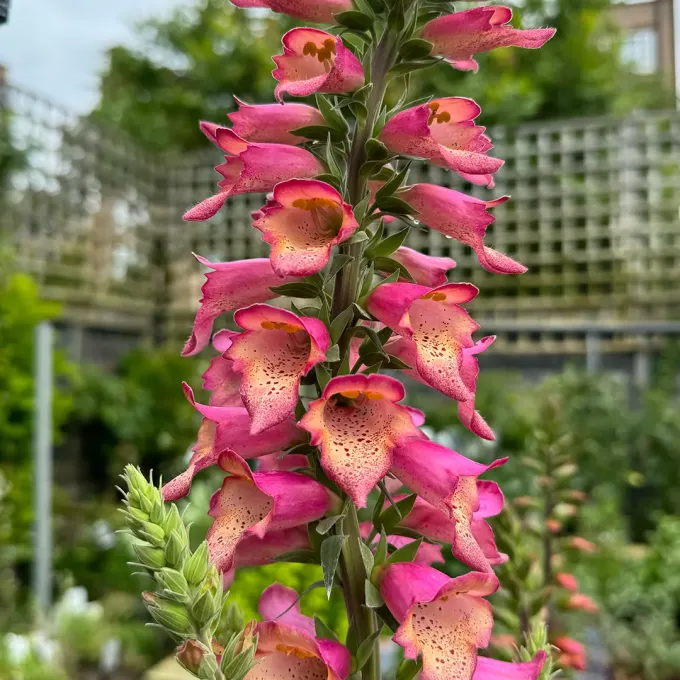
Description
Sowing dates
Sowing Digitalis valinii is primarily performed using seeds, which are known for their small size. The optimal timing for sowing in open ground is late spring, once soil temperatures have consistently reached 15-18 degrees Celsius, ensuring favorable germination conditions.
For colder regions or to ensure a longer growing season, starting the seeds indoors in trays is highly recommended. Seeds should be sown in a high-quality, fine-textured substrate in late winter, allowing the seedlings to develop a strong root system before transplantation.
Since the seeds are extremely small, they should be surface-sown and pressed gently into the soil rather than buried. Covering them with a very thin layer of vermiculite can help maintain humidity around the seeds without blocking necessary light for germination.
Consistent moisture is crucial during the germination phase, which typically lasts two to three weeks. Utilizing a light misting method helps keep the substrate damp without washing away or drowning the delicate, developing seeds.
Once seedlings have formed at least two pairs of true leaves, they can be hardened off and transplanted to their permanent locations. Spacing should be approximately 30-40 centimeters apart to promote airflow and healthy plant development throughout the season.
Growing requirements
Digitalis valinii thrives in sunny to partially shaded garden environments. In climates with intense heat, providing light afternoon shade is essential to prevent leaf scorch and to ensure that the plant retains its full aesthetic appeal throughout the summer.
The species prefers well-drained, fertile soil rich in organic matter. A loamy soil structure is ideal, as it provides the perfect balance of moisture retention and aeration, which is vital for preventing root-related issues that the plant is sensitive to.
Soil pH should remain neutral to slightly acidic, as this supports optimal nutrient uptake. Heavy clay soils should be amended with compost or sand to improve drainage and structure, while very sandy soils might require additional organic matter to hold nutrients.
Regular irrigation is necessary during dry spells, particularly when the flower spikes are developing. It is important to water at the base of the plant to avoid wetting the foliage, which can trigger fungal outbreaks if the leaves stay damp for too long.
Applying a balanced, slow-release fertilizer during the active growing season promotes vigorous growth and stunning floral displays. Avoiding excessive nitrogen fertilization is recommended, as it can cause weak stems that may collapse during flowering.
Main diseases and pests
Fungal diseases represent the most significant threat to Digitalis valinii, particularly in environments with poor air circulation or excessive soil moisture. Powdery mildew and leaf spot are common issues that can rapidly reduce the ornamental value of the plants.
Root rot caused by pathogens like Phytophthora is a major concern in waterlogged soils. Maintaining excellent drainage and avoiding overwatering are the best preventative measures to protect the integrity of the plant's root system against these infections.
Insect pests, such as aphids, frequently target the flower buds and tender shoots. These pests not only damage the physical appearance of the plant but also create entry points for pathogens and act as vectors for various plant viruses.
Integrated pest management, including the use of neem oil or targeted insecticidal soaps, is effective in controlling aphid populations without harming beneficial pollinators. Regular monitoring of the foliage ensures early detection of pest activity.
To prevent disease spread, it is essential to remove and dispose of infected plant debris promptly. Rotating planting sites in the garden can also help reduce the buildup of soil-borne pathogens and nematodes over multiple growing seasons.
Harvesting
Harvesting seeds requires careful monitoring of the seed pods as they mature. Once the pods turn from green to light brown and start to dry out, they are ready for harvest, usually by late summer or early autumn, depending on the planting date.
The harvested stalks should be hung in a cool, well-ventilated space to finish drying. Once fully dried, the pods can be shaken or gently broken open to release the seeds, which should then be cleaned of all chaff and stored in cool, dry conditions.
For ornamental cut flower purposes, stalks are best harvested when approximately one-third of the florets have opened. This stage of maturity ensures that the spikes provide maximum color and a long vase life while still allowing for the development of upper buds.
After flowering, cutting back the spent spikes is a recommended practice to improve garden aesthetics. This action also prevents self-seeding if it is undesirable and encourages the plant to direct its remaining energy into root growth and foliage maintenance.
Seeds kept for storage should be placed in moisture-proof containers and kept in a cool, dark location. Proper storage conditions are essential for maintaining high germination rates for future sowing seasons, ensuring consistent results in the garden.