
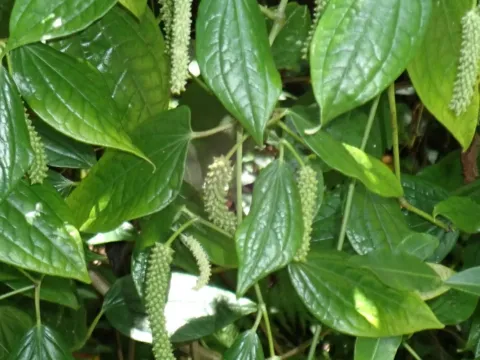
Pepper
Piper
Pepper is a member of the Solanaceae family and requires a long, frost-free growing season. In most temperate regions, it is cultivated starting from seedlings grown indoors for approximately 8 to 10 weeks before the final transplant date.
What the section contains


Pepper
The optimal germination temperature for pepper seeds is between 25°C and 30°C. Maintaining consistent bottom heat during this initial phase significantly increases the germination rate and ensures uniform seedling emergence.
Seedlings should be moved to a well-lit area immediately upon emergence to prevent leggy growth. Using specialized grow lights can be beneficial if natural sunlight is insufficient during the early spring months.
Acclimatization, or hardening off, is a crucial step before moving plants to the field or greenhouse. This process gradually exposes young plants to outdoor conditions, reducing transplant shock and promoting root development.
Transplanting occurs only after the soil has warmed up sufficiently, as peppers are highly sensitive to cold and will stall in growth if subjected to temperatures below 15°C for extended periods.
##requirements##Peppers thrive in well-drained, sandy loam soils with a high organic matter content. A slightly acidic to neutral pH range of 6.0 to 6.8 is ideal for maximizing nutrient availability for the root system.
Irrigation management is vital, as peppers have relatively shallow root systems. Maintaining consistent soil moisture is necessary to prevent physiological disorders such as blossom end rot, which is often linked to calcium uptake issues.
The crop requires full sun exposure to achieve high sugar content and proper color development in fruits. Shaded environments often lead to stunted growth and reduced yields throughout the productive season.
Nutrition programs should be tailored to the plant's life cycle. During the vegetative stage, nitrogen is important, while phosphorus and potassium levels should be prioritized once the plant enters the reproductive phase.
High temperatures and humidity require proper ventilation in greenhouse settings to reduce the incidence of fungal diseases. Good airflow also helps in pollination, leading to better fruit set and overall plant vigor.
##yield##Yield potential is heavily influenced by the choice of hybrid variety and the quality of the microclimate. Modern intensive farming systems can produce high-quality harvests through precise environmental control.
Trellising and pruning are common practices in greenhouse production to increase yield per square meter. These methods improve light penetration and airflow, which minimizes fruit drop and promotes uniform fruit development.
Effective weed control is essential for preventing competition for water and nutrients. Mulching with plastic or organic materials is a proven method to manage weeds while maintaining consistent soil temperature.
Regular monitoring of plant health allows for timely interventions, such as fertilizer application or pest management, which directly contributes to achieving maximum yields at the end of the season.
Harvesting fruits at the right time is crucial for total yield. Frequent picking of fruits in their technical maturity stage often encourages the plant to produce more flowers and subsequently more fruits.
##threats##Peppers are susceptible to various pathogens, including Phytophthora blight, bacterial leaf spot, and several virus complexes. These threats can cause severe losses if not managed with proper cultural practices.
Pests like aphids, whiteflies, and thrips are major concerns, as they not only damage plant tissue but also act as vectors for debilitating viral diseases that are difficult to cure once established.
Crop rotation is a fundamental management strategy for reducing the buildup of soil-borne pathogens. Avoiding Solanaceae crops on the same plot for at least three years is a standard agronomic recommendation.
Integrated Pest Management (IPM) is highly effective for peppers. This involves using beneficial insects, pheromone traps, and careful pesticide selection to maintain a healthy ecosystem while protecting the crop.
- Scouting for early signs of infection
- Proper sanitation of tools and equipment
- Selection of disease-resistant varieties
- Effective irrigation scheduling to avoid waterlogging
Harvesting peppers is an ongoing process that typically starts when fruits reach their full size and desired weight. Depending on the market, peppers can be harvested at technical or biological maturity.
Technical maturity refers to fruits that are firm and of standard size but have not yet fully colored. These are highly valued for their shelf life and durability during transport to distant markets.
Biological maturity occurs when the fruit reaches its final color and peak nutritional value. At this stage, peppers are sweeter and contain higher levels of antioxidants, making them perfect for fresh consumption.
Using sharp shears or clippers is essential to prevent mechanical injury to the plant. Damaged stems are entry points for pathogens, so precision during harvesting is a critical component of post-harvest quality.
Post-harvest handling requires quick cooling to maintain fruit quality. Proper storage conditions allow the harvest to reach consumers in optimal shape, reflecting the effort put into the entire cultivation cycle.