
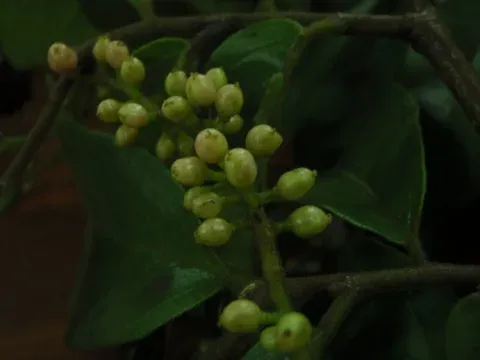
Antidesma membranaceum
Antidesma membranaceum
Antidesma membranaceum is a perennial woody plant belonging to the Phyllanthaceae family. It is native to tropical Africa, where it thrives in humid forest environments, often acting as a key component of the local ecosystem's biodiversity.
What the section contains
Antidesma membranaceum
The cultivation of this species requires a strictly tropical climate with high humidity levels and warm temperatures throughout the year. It does not possess any frost tolerance, making it suitable exclusively for tropical zones or controlled greenhouse environments.
Soil requirements focus on high organic matter content, excellent drainage, and a slightly acidic to neutral pH level. While the plant loves water, it is susceptible to root rot if grown in heavy, waterlogged clay soils, so soil aeration is paramount.
Agronomic management involves maintaining a consistent moisture balance in the substrate. It is recommended to use organic mulches to mimic the natural forest floor, which helps in retaining soil moisture and suppressing competitive weed growth.
Strategic placement in the orchard is essential, providing partial shade for younger trees while ensuring that mature specimens receive adequate light for fruit development. Regular pruning is necessary to maintain shape and promote higher yields.
Harvesting Antidesma membranaceum is a labor-intensive process due to the uneven ripening of the small, drupe-like fruits. The berries are typically harvested by hand when they reach a deep purple or black coloration.
Since the skin of the fruit is thin and fragile, harvesters must handle them with extreme care to prevent bruising or fermentation. Prompt processing after harvest is essential to maintain the quality and flavor profile of the fruit.
The fruit is widely used in local food industries for creating refreshing beverages, preserves, and traditional preserves. Its distinct acidic flavor makes it an excellent candidate for culinary applications where a sharp, fruity note is required.
Post-harvest technology for this crop is currently focused on optimizing cold storage methods. Extending the shelf life of the fresh berries is a major challenge that, once solved, will facilitate the commercial expansion of the species.
Ongoing research into this crop includes the potential for breeding cultivars with uniform ripening cycles. Such advancements would significantly increase labor efficiency and lower the costs associated with the harvest period.