
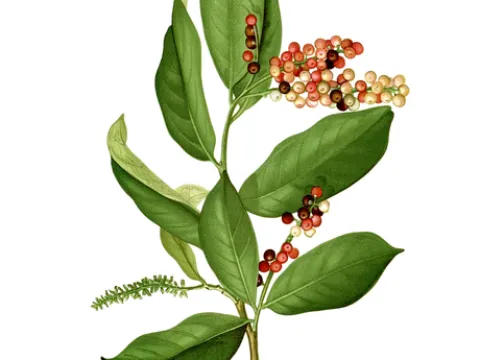
Antidesma
Antidesma
Antidesma is a genus of evergreen trees and shrubs belonging to the Phyllanthaceae family. Native to the tropical regions of Africa, Asia, and northern Australia, these plants are well-adapted to warm, humid environments with consistent rainfall patterns throughout the year.
What the section contains


Antidesma
The plant thrives in full sun to partial shade and requires a frost-free climate to survive. In commercial cultivation, it is essential to ensure that temperatures do not drop below critical thresholds, as the plant lacks cold hardiness and will suffer damage if exposed to chill.
Regarding soil requirements, Antidesma prefers deep, rich, and well-drained soils. While it can tolerate a variety of soil types, it performs best in environments where organic matter is abundant and the pH level is slightly acidic to neutral for optimal nutrient uptake.
The botanical structure of Antidesma features leathery leaves and characteristic drooping clusters of small, fleshy fruits. Because most species are dioecious, gardeners must plant both male and female specimens within the same area to ensure successful pollination and fruit set.
Economic importance of the crop is derived from its edible drupes, which are often processed into jams, jellies, and beverages. Due to their tart flavor profile, they are a staple in many tropical culinary traditions and hold potential for broader market cultivation.
Common threats to Antidesma include various fungal leaf spots triggered by high humidity levels. Proper spacing between trees and careful pruning are vital strategies to improve air circulation and inhibit the development of such pathogens within the plantation.
Insect pests, specifically scale insects and aphids, often target the young growth of the shrub. These pests suck the sap from the plants, leading to weakened branches and the potential development of sooty mold on the honeydew secretions.
Root rot represents a significant danger, especially in poorly drained soils where water accumulates. Maintaining soil health through appropriate irrigation management is the primary defense against these persistent soil-borne diseases.
In drier climates or greenhouse environments, spider mites can become an issue by infesting the undersides of the leaves. Regular monitoring and overhead misting can help deter these small arthropods and keep the foliage healthy and functional.
Effective management strategies should focus on integrated pest management (IPM) techniques. By identifying potential outbreaks early and utilizing selective biological or chemical controls, growers can maintain high yields and plant longevity.