
Yellow passionflower
Passiflora lutea
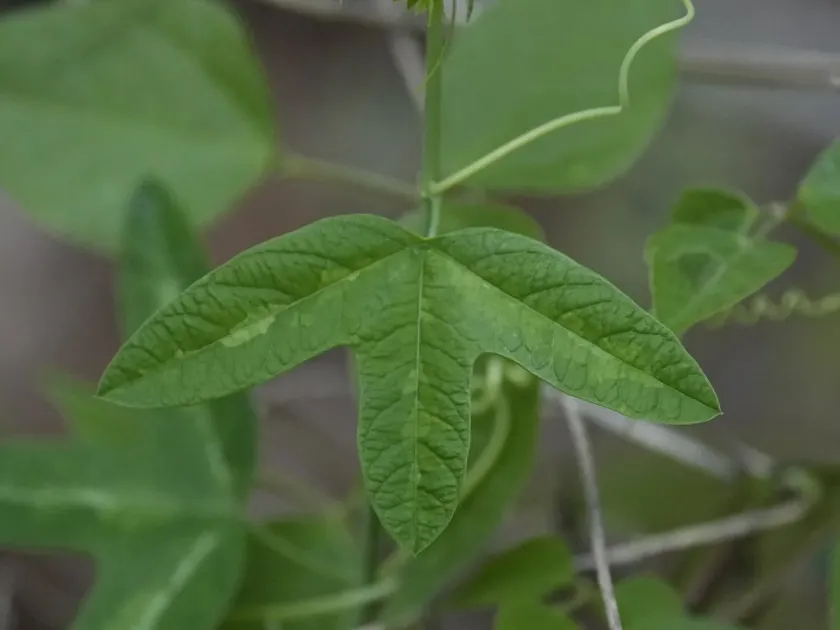
Description
Sowing dates
Sowing seeds of the Yellow passionflower is ideally performed in late winter or early spring using a sterile seed-starting mix to prevent damping off.
The seeds possess a hard coat that benefits from soaking for 24 hours prior to planting, which significantly enhances the rate of germination.
Placing the seed trays on a heat mat kept at consistent temperatures is recommended to mimic the tropical environment the species originates from.
Once the seedlings develop two sets of true leaves, they should be transplanted into individual containers to allow for robust root development.
Acclimatization of the plants to outdoor conditions should happen gradually over a week before final planting into the permanent garden site.
Growing requirements
The Yellow passionflower, a member of the Passifloraceae family, thrives best in locations that receive full sun to partial shade during the day.
Soil requirements include excellent drainage, as the species is sensitive to waterlogged conditions that can cause fatal root rot in heavy clay soils.
Since the plant is a vigorous vine, providing a sturdy trellis or fence is essential for it to climb effectively and display its delicate flowers.
Watering should be deep and consistent, ensuring that the root zone remains moist but never saturated, especially during the peak of the summer heat.
Fertilizing with a balanced, slow-release fertilizer during the active growing season will promote healthy foliage and extend the flowering period.
Main diseases and pests
Common pests include spider mites and whiteflies, which tend to congregate on the undersides of the foliage during periods of low humidity.
Fungal issues such as leaf spot or powdery mildew can occur if the airflow around the vine is restricted due to overcrowding or poor maintenance.
Root rot is a major threat in soils that lack adequate drainage, leading to yellowing of the leaves and eventual decline of the plant structure.
Regular monitoring of the vine, especially checking for aphids or signs of wilting, allows for early intervention before an infestation spreads.
Practicing good garden hygiene, such as removing fallen leaves and pruning away diseased sections, significantly reduces the pressure from pathogens.