
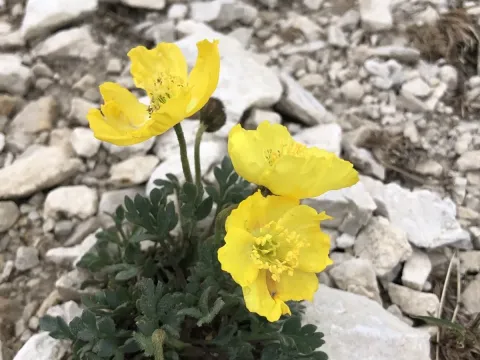
Kerner's poppy
Papaver kerneri
Kerner's poppy (Papaver kerneri) is a perennial herbaceous plant belonging to the Papaveraceae family, naturally occurring in the alpine habitats of the Eastern Alps.
What the section contains
Kerner's poppy
The cultivation process begins with sowing, which is most successful when performed in late autumn or early spring to ensure the seeds undergo necessary cold stratification.
Because the seeds are extremely small and light-dependent for germination, they should be scattered on the soil surface without deep burial, ensuring light access.
Choosing the right site is crucial as the species has a taproot system and dislikes being transplanted; therefore, direct seeding into the final location is recommended.
Once established, the seedlings should be thinned to provide adequate spacing, allowing each plant enough room to develop its characteristic basal rosette of leaves.
This species is strictly adapted to high-altitude environments, requiring well-drained, gritty, or rocky soils that are rich in calcium and low in organic matter.
Full sun exposure is a mandatory requirement for healthy development; the plant thrives in areas with intense UV radiation and cool, fresh mountain air.
Soil pH should ideally be neutral to slightly alkaline, and providing an effective drainage layer is essential to prevent root crown rot in wetter climates.
Heat tolerance is generally low; the plant performs best in regions where summer temperatures remain moderate, avoiding the intense heat common in lowland plains.
While the plant is quite drought-tolerant once established, it requires consistent moisture during the early seedling stage to develop its deep rooting system.
Root rot is the most common threat to the health of Papaver kerneri, typically caused by poor drainage or high humidity during the winter dormancy period.
Powdery mildew can become an issue during periods of high humidity, affecting the leaves and overall vigor of the plant, especially if air circulation is poor.
Aphids and spider mites are the most frequent insect pests, which can cause significant damage to the flower buds if not managed early in the season.
Integrated pest management strategies should focus on maintaining adequate space between plants to improve airflow and reduce the likelihood of pest outbreaks.
Regular inspection of the basal foliage is recommended during the growing season to catch early signs of disease or infestation before they spread throughout the crop.