
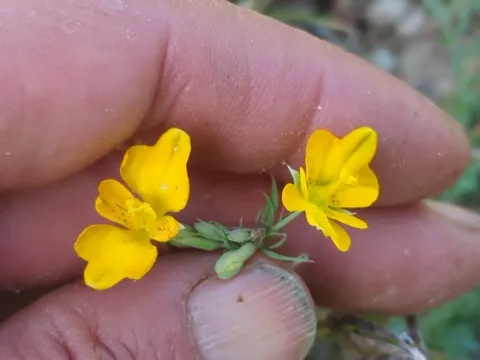
Hypecoum
Hypecoum
Hypecoum is typically grown as an annual crop, and the timing of sowing is critical for successful germination. Sowing is usually performed in early spring as soon as the soil is workable and has reached temperatures sufficient to trigger seed growth.
What the section contains
 Hypecoum dimidiatum
Hypecoum duriaei
Hypecoum duriaei
Hypecoum dimidiatum
Hypecoum dimidiatum
Hypecoum duriaei
Hypecoum duriaei
 Hypecoum erectum
Hypecoum erectum
Hypecoum erectum
 Hypecoum imberbe
Hypecoum leptocarpum
Hypecoum leptocarpum
Hypecoum imberbe
Hypecoum imberbe
Hypecoum leptocarpum
Hypecoum leptocarpum
 Hypecoum littorale
Hypecoum littorale
Hypecoum littorale
 Hypecoum pendulum
Hypecoum pendulum
Hypecoum pendulum
 Hypecoum torulosum
Hypecoum trilobum
Hypecoum trilobum
Hypecoum torulosum
Hypecoum torulosum
Hypecoum trilobum
Hypecoum trilobum
 Procumbent hypecoum
Hypecoum procumbens
Procumbent hypecoum
Hypecoum procumbens
Hypecoum
The seeds are small and should be sown at a shallow depth of approximately 1 centimeter. Proper soil preparation is essential to ensure that seeds are in close contact with moist soil particles, which promotes faster and more uniform germination.
In specific regions, autumn sowing is possible if the plant can establish a small rosette of leaves before the onset of winter dormancy. This can lead to earlier flowering and potentially higher yields in the following season.
Row planting is the preferred method for agricultural production, allowing for easy weeding and cultivation between rows. The density should be managed to prevent overcrowding, which is detrimental to the development of the plant's reproductive organs.
Following the emergence of seedlings, it is vital to maintain moisture levels, especially in sandy soils where water drains rapidly, to ensure the young plants survive the initial stage of development.
As a member of the Papaveraceae family, Hypecoum thrives in sunny, open locations with well-drained soil. It is highly intolerant of waterlogged conditions, which often result in root decay and stunted growth in affected areas.
The ideal soil profile is a sandy or light loamy composition that is neutral to slightly alkaline. The presence of adequate calcium in the soil is beneficial for the structural development of the stems and reproductive parts of the plant.
The plant demonstrates remarkable drought tolerance, which allows it to be cultivated in regions with semi-arid conditions. Its deep taproot system is an adaptation that helps the plant access deeper soil moisture during dry spells.
Optimal growth occurs at moderate temperatures. While the plant can withstand fluctuations, prolonged exposure to extreme heat during the flowering stage may shorten the duration of the blooming period and impact seed development.
Fertilization should prioritize phosphorus and potassium to support strong root growth and reproductive health. Excessive nitrogen application should be avoided, as it encourages excessive vegetative growth rather than the desired fruit and seed formation.
The primary threats to Hypecoum crops include soil-borne pathogens and root rot, which are often triggered by excessive moisture and poor soil aeration. Implementing proper drainage systems is the most effective preventative measure.
Insect pests, including aphids and various coleopteran species, can cause localized damage to the leaves and flowers. Monitoring for early signs of infestation is crucial to prevent the spread of damage throughout the field.
Nematode infestations can pose a significant threat in fields where crop rotation cycles are too short or poorly managed. Rotating with non-host crops is essential for breaking the pest life cycle.
- Powdery mildew in high-humidity climates.
- Stem-boring insects causing structural damage.
- Bacterial infections resulting from insect damage to tissues.
Integrated pest management, including regular scouting and the use of targeted biological controls, is highly recommended to protect the integrity of the Hypecoum harvest.