
Pothomorphe dombeyana
Pothomorphe dombeyana
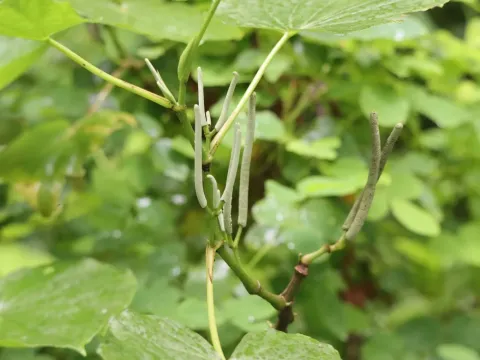
Pothomorphe dombeyana is a distinctive perennial plant belonging to the Piperaceae family. Often confused with other species of the genus, it is recognized for its significant medicinal properties and unique botanical architecture characterized by cordate leaves and inflorescences typical of the pepper family.
What the section contains
Pothomorphe dombeyana
Native to the humid tropical forests of South America, this plant is primarily distributed across the Andean regions. It thrives in high-humidity ecosystems where the forest canopy provides filtered sunlight, essential for its proper vegetative development and maintenance of leaf turgor.
Regarding climate requirements, the species strictly demands temperatures between 22°C and 28°C. It is intolerant to frost and drought, requiring a controlled environment such as a greenhouse or a strictly tropical climate to achieve full maturity in agricultural settings.
The ideal soil substrate for Pothomorphe dombeyana is a nutrient-rich, well-draining medium with high organic matter content. Regular irrigation is vital to mimic its natural environment, though waterlogging must be strictly avoided to prevent root diseases that frequently plague this crop.
Economically, the plant is primarily harvested for its phytochemical compounds, including various alkaloids and flavonoids. Its use in the pharmaceutical industry continues to grow, particularly in the production of topical treatments and anti-inflammatory extracts derived from its foliage.
Typical pests affecting this crop include spider mites, which thrive in low-humidity conditions within glasshouses. Integrated pest management strategies, focusing on microclimate control and the introduction of predatory insects, are highly recommended to keep populations under control.
Fungal pathogens represent the most significant threat to yields, particularly species causing damping-off and root rot. Maintaining a hygienic growing environment and selecting appropriate potting media with excellent drainage are crucial cultural practices to mitigate these risks effectively.