
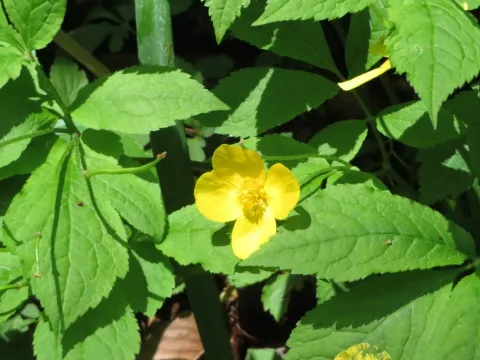
Hylomecon
Hylomecon
Propagation of Hylomecon in a domestic or nursery setting is most commonly achieved through rhizome division or sowing fresh seeds.
What the section contains


Hylomecon
Hylomecon seeds require a period of stratification to germinate successfully; therefore, sowing is best performed in late autumn in open soil or specialized containers.
When using vegetative propagation, the division of the clump should be performed in early spring before active growth begins or in late summer after flowering concludes.
It is essential to maintain optimal spacing between plants during planting to avoid overcrowding, as this species is known for its ability to spread via its root system.
The soil for sowing should be loose and moist, with seeds lightly covered by a thin layer of substrate to ensure proper aeration while maintaining a stable microclimate.
Hylomecon belongs to the Papaveraceae family and is native to the shaded woodland regions of East Asia, thriving in cool and temperate climates.
The plant has specific moisture requirements: the soil must remain consistently moist throughout the growing season without suffering from waterlogging, which can cause root rot.
Light, humus-rich woodland or garden soils with a neutral to slightly acidic pH are ideal for healthy growth and long-term establishment.
The plant is highly winter-hardy; however, in regions experiencing severe winters without significant snow cover, a light layer of organic mulch is recommended for protection.
The primary requirement for success is protection from direct midday sunlight, as intense UV rays will cause the delicate foliage to wilt and lose vitality.
Hylomecon is generally robust and resistant to most diseases, though excessive soil moisture can occasionally trigger fungal root infections.
The most common pests that may damage young leaves are slugs and snails, which are particularly active during damp and overcast weather conditions.
If root rot is detected, it is necessary to improve site drainage immediately and consider applying a broad-spectrum fungicide to prevent further spreading.
Preventative measures include regular weeding around the base of the plant to eliminate dark, damp micro-habitats that attract mollusks.
Routine inspection of the foliage allows for early detection of pest damage, enabling the gardener to intervene before significant infestation occurs.
The use of Hylomecon is primarily ornamental, favored for its early-spring yellow blossoms that bring vibrant color to shaded garden beds.
Seed collection should be done as soon as the capsules begin to turn yellow and split, ensuring that seeds are gathered before they disperse naturally into the soil.
It is recommended to sow the collected seeds immediately, as their germination viability decreases significantly when kept in dry storage for extended periods.
In landscaping, this plant is used to carpet shaded areas under tree canopies, providing a lush green backdrop contrasted by bright, cup-shaped flowers.
There is no complex harvest process involved, as the plant naturally enters dormancy after the growing season, with its foliage dying back to ground level.