
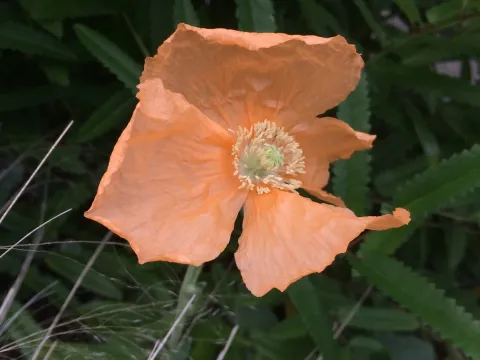
Hairy poppy
Papaver pilosum
The Hairy poppy (Papaver pilosum) is a perennial herbaceous plant belonging to the Papaveraceae family, primarily valued for its attractive flowering in rock gardens and landscapes.
What the section contains
Hairy poppy
Sowing in open ground is typically conducted in early spring, once the danger of severe frost has passed and the soil has started to warm up significantly.
The seeds of this species are extremely small and light-sensitive, which means they must be sown on the surface and not buried deep in the soil for successful germination.
For earlier blooming, gardeners can start seeds indoors in late winter or early spring using biodegradable pots to minimize root disturbance during transplantation.
Spacing between plants should be maintained at least 30 to 40 centimeters to allow for adequate air circulation around the basal leaf rosettes, preventing fungal issues.
This crop thrives in full sun exposure, as it requires high light intensity to produce a profusion of flowers and to maintain the structural integrity of its stems.
Soil requirements involve well-drained, fertile sandy or loamy soils that can prevent waterlogging, which is the most critical factor for the plant's long-term survival.
Hairy poppy shows remarkable drought tolerance once established, thanks to its deep taproot system, making it an ideal candidate for low-maintenance garden beds.
The plant exhibits good hardiness, surviving cold winters provided the crown of the plant is not sitting in icy, stagnant water during the freezing season.
Regular maintenance includes removing faded flower stalks to encourage secondary blooms and ensuring the soil remains slightly alkaline to neutral in pH levels.
Powdery mildew represents the most frequent fungal challenge, appearing as a white, dusty layer on the foliage, especially during humid and warm weather conditions.
Root rot and crown rot are common physiological threats triggered by poor soil drainage, which often results in the sudden collapse of the plant during active growth.
Aphids often target the tender flower buds and young shoots, sucking sap and potentially spreading viral infections that weaken the plant over time.
Weevil larvae and other soil-dwelling insects can cause damage to the root system, which may be mitigated by using appropriate organic or synthetic soil treatments.
Integrated pest management, such as maintaining weed-free zones and ensuring proper spacing, is essential for keeping the crop healthy throughout the season.