
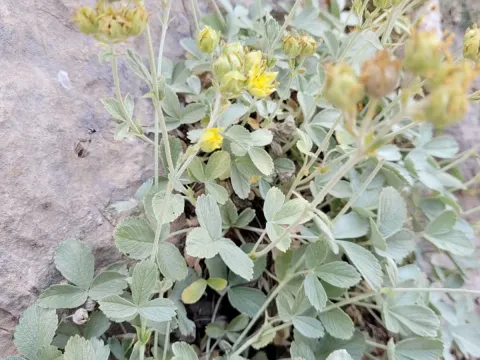
Potentilla speciosa
Potentilla speciosa
Potentilla speciosa is a low-growing perennial species belonging to the Rosaceae family. In its natural habitat, it is commonly found on rocky slopes and within the alpine belts of the Mediterranean and the Balkans.
What the section contains
Potentilla speciosa
The plant features distinct botanical traits, such as silvery-pubescent leaves that help retain moisture and vibrant yellow flowers arranged in loose inflorescences. Its root system is robust, specifically adapted to penetrate deep into rock crevices.
This crop thrives in well-drained, calcareous, or neutral soils. It is highly sensitive to water stagnation, making it crucial to ensure excellent soil aeration and prevent any risk of root rot during the growing process.
Potentilla speciosa is a light-demanding species; therefore, planting it in open, sunny locations is essential for achieving profuse blooming. In shaded areas, the plant tends to lose its compact structure and leaf coloration.
Climate requirements include high drought tolerance and moderate winter hardiness. The plant withstands short-term temperature drops well, though light protection may be necessary during severe, snowless winters to safeguard the root zone.
The primary threats to the plant's health are fungal diseases, such as rust and powdery mildew, which often occur due to poor air circulation and excessive soil moisture levels.
Pests that pose a significant threat include spider mites and aphids, which can infest young leaf tissue during dry periods, ultimately reducing the plant's aesthetic value and overall vigor.
Disease prevention involves thinning out plantings to ensure proper airflow and avoiding overwatering. It is also advised to refrain from overhead irrigation in the evening to keep the foliage dry.
To control pest populations, systemic acaricides and insecticides should be applied, which are effective in managing infestations at early stages before significant damage occurs.
If fungal infections are detected, it is recommended to prune affected areas and apply copper-based fungicides to halt the spread of the pathogen to surrounding healthy specimens.