
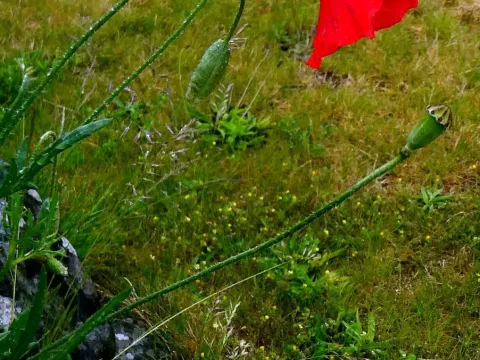
Hungarian poppy
Papaver hungaricum
Hungarian poppy is typically treated as an early spring crop, with sowing operations commencing as soon as the soil reaches a temperature of 5–8 degrees Celsius.
What the section contains
Hungarian poppy
Early sowing is essential to utilize winter moisture reserves, which is vital for the germination of the small, delicate poppy seeds in the field.
The seeds are generally sown in rows with a spacing of 15 to 30 centimeters, allowing for adequate plant density while facilitating potential weeding if necessary.
Planting depth should be kept shallow, specifically between 1 and 2 centimeters, as the seeds have limited energy reserves to push through deep soil layers.
Post-seeding rolling of the field is highly recommended to ensure proper seed-to-soil contact, which stabilizes the seedbed and promotes uniform emergence.
The plant belongs to the Papaveraceae family and is characterized by its high demand for sunlight, requiring open areas without any shade during development.
Fertile, structured soils with a neutral or slightly alkaline pH are ideal, as they support the robust development of the plant's taproot system.
While Hungarian poppy has moderate drought tolerance, consistent moisture during the flowering and capsule filling stages is necessary to achieve high yields.
Effective crop rotation is crucial; cereals and root crops like potatoes are considered the best preceding crops to maintain soil health and reduce weed pressure.
Optimal growth occurs at temperatures between 18 and 22 degrees Celsius, although the plants can withstand some fluctuations early in the growing season.
Downy mildew (peronospora) is the most significant pathological threat, particularly under high-humidity conditions, which can lead to severe crop losses.
Root rot diseases frequently affect young seedlings, especially in fields where crop rotation cycles have been ignored or shortened, leading to pathogen buildup.
The poppy weevil is a primary pest, with larvae feeding directly on the developing seeds inside the capsules, resulting in reduced weight and poor seed quality.
Aphids can also cause significant damage by feeding on plant sap, which stunts growth and may facilitate the transmission of various plant viruses.
A successful protection strategy requires integrated pest management, including regular monitoring and the targeted use of appropriate fungicides and insecticides.
Harvesting takes place at full maturity when the capsules are brown, dry, and brittle, and the seeds rattle inside when shaken by the wind.
Direct combining is the standard harvesting method, requiring careful adjustment of cylinder speed to avoid damaging the oil-rich seeds during threshing.
Harvesting must be completed efficiently to prevent moisture absorption during rainy periods, which can lead to discoloration and reduced market value.
Post-harvest processing involves cleaning the harvested material to remove chaff and drying the seeds to a moisture content of 9–10 percent for safe storage.
Storage in cool, dry, and well-ventilated conditions is mandatory to maintain the quality of the seeds and prevent oxidation of the natural poppy oils.