
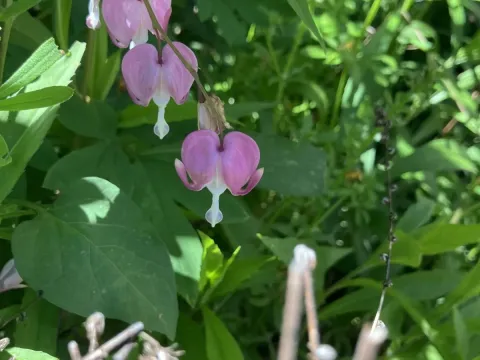
Lamprocapnos
Lamprocapnos
Lamprocapnos, belonging to the Papaveraceae family, is a perennial herbaceous plant widely recognized for its unique, heart-shaped flowers. Originally from Eastern Asia, this species has become a staple in temperate climate gardening due to its elegant foliage and distinct blooms.
What the section contains
Lamprocapnos
The plant thrives best in partial shade, as prolonged exposure to direct sunlight can cause leaf scorch and premature dormancy. In regions with cooler summers, it can handle more light, but in hot climates, a shaded spot is absolutely essential for the plant to remain healthy throughout the season.
Regarding soil requirements, Lamprocapnos prefers rich, loamy, and well-draining soil. It is intolerant of waterlogged conditions, which can lead to rapid rot of its fleshy, brittle roots. Adding organic matter, such as compost or well-rotted manure, significantly improves soil structure and moisture retention.
Adequate irrigation is crucial during the active growing season in spring. While the soil should be kept consistently moist, it must not remain soggy. A thick layer of mulch around the base of the plant helps to maintain soil temperature and moisture, providing stable conditions for root development.
In terms of maintenance, this plant is generally low-effort once established. It is winter-hardy in most temperate zones, but adding a layer of mulch in late autumn can provide extra protection for the roots against deep freezing, especially in areas with little snow cover.
Fungal diseases are the primary threat to Lamprocapnos, particularly during wet, humid summers. Verticillium wilt and root rots are common issues that typically arise from poor drainage or overly crowded planting conditions that restrict air circulation.
Common pests that attack the plant include aphids, which suck sap from the tender new shoots, and slugs or snails, which can devastate the foliage. Regular monitoring is necessary during the spring months when these pests are most active to prevent extensive damage.
Managing diseases involves both chemical treatments and cultural practices. If a plant shows signs of viral spotting or severe wilting, it should be removed and destroyed to prevent the spread of pathogens to neighboring plants in the garden.
Soil-dwelling pests, such as wireworms or the larvae of scarab beetles, can occasionally compromise the root system. Using preventive biological controls or soil insecticides during planting can help secure the longevity of the plant in the garden bed.
Good garden hygiene, such as removing fallen leaves at the end of the season and ensuring proper spacing between plants, acts as a primary defense. A healthy, well-nourished plant is naturally more resistant to the stress of pest attacks and minor infections.