
Hunnemannia
Hunnemannia
Hunnemannia, often known as the Mexican tulip poppy, requires specific temperature conditions for successful sowing. It is best to start seeds indoors in pots during early spring, specifically in March or April, to provide a head start before the growing season.
What the section contains
Hunnemannia
Transplanting into open ground should only occur after the risk of frost has completely passed. Being native to warmer mountainous regions, Hunnemannia is highly sensitive to cold spells and will suffer if moved outdoors too early.
In regions with mild climates, direct sowing can be attempted once the soil has warmed to at least 15–18 degrees Celsius. Proper soil preparation is essential to ensure consistent germination and strong early seedling growth.
Seeds have a relatively hard coat, so a short period of soaking in warm water can significantly improve germination rates. They should be covered lightly with fine soil, as they require some ambient light to germinate effectively.
Commercial producers often plan sowings in successional batches to ensure a continuous supply of cut flowers throughout the summer months. This requires careful management of timing and environmental control.
Hunnemannia is a member of the Papaveraceae family. It is technically a perennial in its natural habitat but is treated as an annual in most temperate agricultural zones due to its susceptibility to harsh winters.
The plant thrives in light, well-draining, and sandy or gravelly soils. It cannot tolerate heavy clay or damp conditions, which quickly lead to root rot and other physiological disorders in the plants.
A neutral to slightly alkaline soil pH is preferred for optimal nutrient uptake. If the soil is too acidic, liming should be performed well in advance of the planting season to balance the chemical profile.
The plant is remarkably drought-tolerant once established, thanks to its deep taproot system. Overwatering is the most common mistake in Hunnemannia cultivation, so irrigation should be strictly controlled.
Full sun is essential for vigorous development and prolific blooming. The site selection should prioritize locations that receive unobstructed sunlight throughout the entire day for the best results.
Root rot is the primary threat to this crop, almost always caused by improper water management or poor drainage. Once roots begin to decay, the plant is typically beyond the point of effective rescue.
Pests such as aphids and spider mites can infest the foliage and developing buds during hot, dry spells. Regular scouting and early detection are crucial for managing these populations effectively.
Powdery mildew can become an issue if plant spacing is too dense, reducing airflow and increasing local humidity levels. Proper spacing is a key preventative measure for healthy canopy development.
When chemical interventions are necessary, insecticides and fungicides should be chosen with care to ensure they are safe for flowering crops. Always adhere to the safety intervals specified by the product label.
Maintaining a weed-free environment is vital, as weeds often act as vectors for viruses and pests that can severely weaken Hunnemannia stands and reduce the quality of the harvested product.
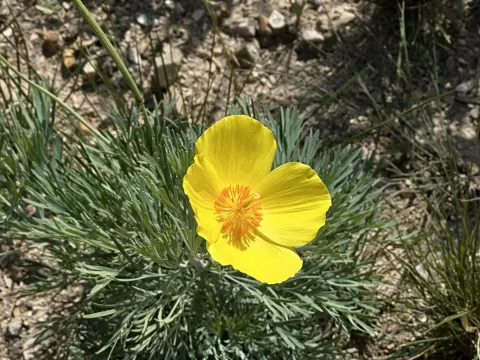
Hunnemannia is widely appreciated for its beauty in floral arrangements. It produces delicate, butter-yellow, satiny flowers that bring a touch of elegance to any display when harvested correctly.
For commercial cut flower use, stems should be harvested when the flower buds are just beginning to open. This stage ensures the maximum vase life and stability during shipping and subsequent sale.
It is important to use clean, sterilized cutting tools to avoid introducing pathogens into the stems. Harvest should ideally take place during the cool hours of the morning or late evening.
To produce seed, selected plants should be allowed to complete their full life cycle until the seed pods turn brown and start to become brittle. Careful collection prevents seed loss during harvesting.
Seeds should be cleaned thoroughly, dried in a cool, dark, and well-ventilated space, and stored in paper bags. Maintaining a low-humidity environment is critical for preserving seed viability for future use.