
King of Bhutan poppy
Meconopsis regia
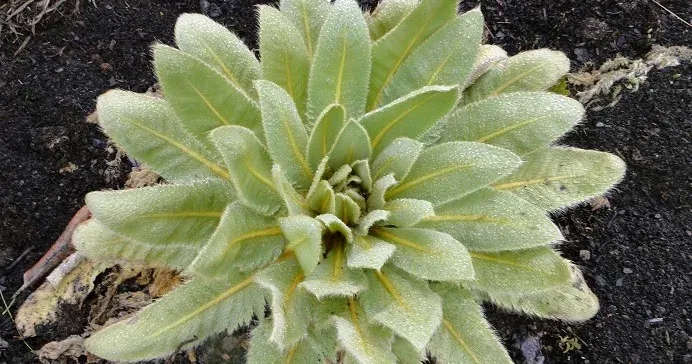
Description
Sowing dates
Sowing seeds of Meconopsis regia requires precise timing to mimic its natural alpine germination cycle. Ideally, seeds should be sown in late autumn or early winter to provide the necessary cold stratification period.
The seeds are notoriously slow to germinate and require a light, well-draining substrate composed of peat and horticultural sand. Surfaces should be left exposed to light, as darkness can inhibit the initial stages of growth.
Containers must be kept in a cold, sheltered location with temperatures between 0–5 degrees Celsius for several weeks. Once this cold period is completed, transferring the containers to a cooler, sheltered place will stimulate germination.
Seedlings are extremely fragile and sensitive to root disturbance, making careful handling mandatory during transplanting. It is best to wait until late spring, when the risk of severe frost has passed, to move them into their final garden positions.
Choosing the right planting site is essential, as Meconopsis regia prefers permanent locations and dislikes being relocated. An area with partial shade and protection from harsh winds is ideal for successful establishment.
Growing requirements
Meconopsis regia belongs to the Papaveraceae family and originates from the high-altitude regions of the Himalayas. This species thrives in cool, humid environments and cannot tolerate high summer temperatures or arid conditions.
The soil must be rich in organic matter, slightly acidic, and exceptionally well-draining. Any waterlogging will almost inevitably lead to root rot, so incorporating gravel or perlite into the growing medium is a standard agronomic practice.
Constant, moderate moisture is vital throughout the growing season. In regions with dry summers, irrigation with soft, lime-free water is necessary to maintain soil hydration without causing saturation of the root zone.
The plant performs best in environments with cool summers and high ambient humidity. It is typically suited for alpine rock gardens or woodland edges where natural shelter provides protection from intense, direct solar radiation.
Fertilization should be handled with caution, utilizing light organic composts rather than chemical nitrogen boosters. Excessive feeding often leads to weak growth, making the plant more susceptible to environmental stress and disease.
Main diseases and pests
Fungal pathogens represent the most significant threat to Meconopsis regia, particularly in stagnant, overly humid conditions. Root rot and damping-off disease are common failures in poorly drained agricultural settings.
Slugs and snails are major pests that can devour young foliage overnight. Effective pest management strategies, such as physical barriers or biological controls, must be deployed early in the season to protect young rosettes.
Aphids occasionally infest the flower stalks during the budding phase. While usually manageable, their presence can weaken the plant and facilitate the spread of secondary viral infections, requiring close monitoring.
Powdery mildew may develop if there is inadequate air circulation around the plants. Proper spacing during planting is crucial to ensure that foliage dries quickly after rain, which helps prevent the development of fungal spores.
Adhering to strict phytosanitary practices is essential for maintaining the health of a Meconopsis stand. Promptly removing dead or decaying leaves prevents the buildup of inoculum and keeps the surrounding environment clean.