
Compressed oxalis
Oxalis compressa
Compressed oxalis (Oxalis compressa) is a perennial plant belonging to the Oxalidaceae family. Originally native to the Cape region of South Africa, it has evolved to thrive in environments characterized by distinct wet and dry seasons.
What the section contains
Compressed oxalis
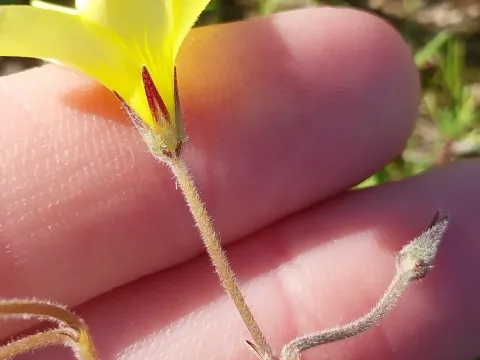
Botanically, it is defined by its bulbous root system, which acts as a reservoir during dormancy. The plant produces a compact rosette of leaves and striking yellow flowers, which are highly sensitive to solar radiation, closing during cloudy or low-light conditions.
The primary soil requirement is excellent drainage. Oxalis compressa performs best in sandy, well-aerated substrates that mimic its natural habitat. Heavy or waterlogged soils often lead to root rot, which is the most common cause of failure in cultivation.
Regarding climate, the plant requires a sunny position to maintain its compact growth habit. It is not cold-hardy and requires protection from frost, making it better suited for container gardening or climate-controlled environments in temperate zones.
In terms of usage, it serves as an excellent ornamental specimen for rock gardens, containers, and borders. Its ability to go dormant during the heat of summer allows it to be used in rotation with other seasonal vegetation.
The most significant threats to Oxalis compressa are fungal pathogens, specifically those that target the bulbous structures under conditions of high soil moisture. Overwatering is the primary cultural mistake that invites these infections.
Pest pressures primarily include spider mites, especially when grown indoors or in greenhouse conditions with low humidity. Aphids may also infest the foliage, particularly during the active spring growth phase, causing stunted development.
Proactive management includes ensuring high air circulation around the plants to prevent powdery mildew and other foliar diseases. Regular inspection of the undersides of the leaves is critical for early detection of mite infestations.
Cultural control, such as removing debris and ensuring the soil surface dries slightly between waterings, is essential for maintaining plant health. If chemical intervention is necessary, targeted acaricides should be applied during the early stages of mite buildup.
Maintaining proper sanitation within the growing space is vital. By controlling the moisture levels and ensuring exposure to sufficient light, the plant maintains strong defense mechanisms against typical garden pathogens.