
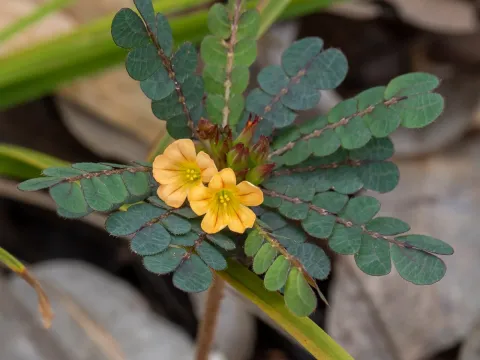
Biophytum umbraculum
Biophytum umbraculum
Biophytum umbraculum is primarily cultivated in controlled environments such as greenhouses due to its strict tropical origin and sensitivity to cold climates.
What the section contains
Biophytum umbraculum
The sowing process requires a high-quality, fine-textured substrate, typically composed of peat and horticultural sand to ensure optimal drainage and moisture retention.
Seeds should be sown on the surface of the growing medium, as they require sufficient light exposure to successfully germinate within the first two weeks.
Maintaining a constant temperature of 22-26 degrees Celsius is critical for high germination rates and the subsequent development of healthy seedlings.
Gradual acclimatization of seedlings to lower humidity levels is recommended before transplanting them into individual pots for long-term growth.
Belonging to the Oxalidaceae family, this species is well-known for its fascinating nyctinastic movements, where leaflets fold in response to touch or light intensity.
The plant thrives in fertile, slightly acidic soils that remain consistently moist but never waterlogged, which prevents root stress and disease development.
Bright, indirect light is essential for maintaining the plant's characteristic umbrella-shaped canopy and vivid foliage coloration throughout the year.
Temperature stability is paramount; exposure to temperatures below 18 degrees Celsius can result in physiological stress and stunted growth patterns.
- Requires 60-80% relative humidity.
- Needs regular but moderate watering.
- Avoids direct harsh sun exposure.
- Benefits from periodic liquid fertilization.
- Requires stable greenhouse conditions.
The most common threat to this culture is root rot, frequently caused by overwatering or the use of poorly drained, compacted soil mixes.
Botrytis, or grey mold, often affects the plant in environments with inadequate air circulation and high humidity levels during the cooler months.
Spider mites are the primary pest concern, especially in dry greenhouse conditions, necessitating frequent misting or biological control methods.
Mealybugs can also infest the underside of leaves and the base of the stem, feeding on plant sap and weakening the overall structure of the plant.
Integrated pest management, including regular sanitation and scouting, is necessary to keep the plant free from common tropical greenhouse diseases.