
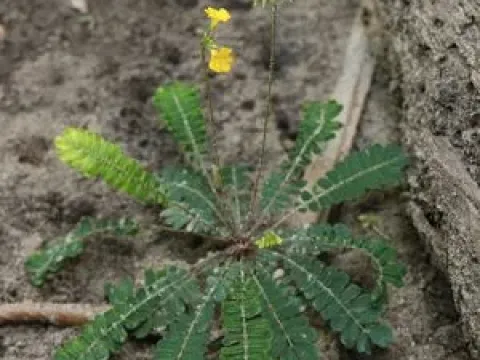
Biophytum intermedium
Biophytum intermedium
Biophytum intermedium belongs to the Oxalidaceae family and is known for its distinct pinnate leaves that mimic a miniature palm tree. Native to the humid tropical regions of Southeast Asia, this species thrives in low-light, high-moisture environments.
What the section contains
Biophytum intermedium
Successful cultivation requires a stable temperature environment, ideally maintained between 22 and 28 degrees Celsius. The plant is highly sensitive to cold drafts and rapid temperature fluctuations, which can lead to leaf senescence and physiological stress.
The growing medium must be highly porous and well-draining, typically consisting of a peat-based mix amended with perlite or pumice. A slightly acidic pH is preferred, mirroring the natural forest floor conditions where this species is naturally established.
Lighting should be bright but diffused; direct sunlight is detrimental to the plant's delicate foliage, causing bleaching and tissue damage. In commercial or indoor setups, artificial shade or light-filtering curtains are necessary to prevent heat accumulation.
Maintaining high relative humidity, ideally above 65%, is essential for proper foliage development and vitality. Frequent misting or the use of automated humidification systems is highly recommended in controlled growing environments.
Spider mites are the most common pest challenge for Biophytum intermedium, particularly in environments with inadequate humidity levels. Their feeding activity causes characteristic spotting and overall decline of the plant.
Fungal pathogens such as Pythium and Rhizoctonia, which cause root and stem rot, are significant threats. These infections are almost always linked to poor drainage or overwatering practices that create an anaerobic environment for the roots.
Preventative measures include using sterile growing media and ensuring excellent air circulation around the plants. Avoiding overhead irrigation helps keep the foliage dry, reducing the incidence of foliar fungal pathogens.
If chemical intervention is required, it is imperative to use products with low phytotoxicity, as the delicate foliage of the plant can be sensitive to concentrated solvents or certain active ingredients found in pesticides.
Regular monitoring for early signs of wilting or discoloration allows for immediate remedial action. Isolating affected plants is a standard practice to prevent the potential spread of pests within a larger production batch.