
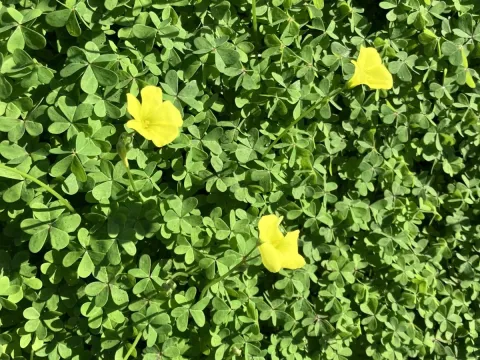
Caudoxalis
Caudoxalis
Sowing Caudoxalis requires strict adherence to temperature regimes, as the seeds are sensitive to rapid fluctuations in the surrounding environment.
What the section contains
Caudoxalis
The optimal time for sowing is early spring, when the threat of late frosts has passed and the soil warms up to a stable 15 degrees Celsius.
Seed depth should be no more than 1–2 centimeters, ensuring sufficient oxygen access for the successful germination of the embryo.
When using the seedling method, sowing is carried out in prepared substrates 40–50 days before the planned transplanting to the permanent growing site.
It is important to monitor sowing density: overcrowded crops lead to the development of fungal infections and a decrease in the overall vitality of young plants in the early stages of growth.
This crop belongs to the Oxalidaceae family and prefers well-drained, sandy loam or light loam soils with a neutral or slightly acidic pH level.
For normal development, Caudoxalis requires high levels of solar illumination, as light deficiency leads to stem elongation and less dense biomass.
The plant possesses moderate drought tolerance; however, for a high-quality yield, regular watering is required during periods of active vegetative growth.
The crop does not tolerate stagnant moisture in the root system, so in areas with high groundwater levels, the creation of raised beds or an efficient drainage system is recommended.
The optimal temperature for vegetation is 20–25 degrees Celsius, while the crop is capable of adapting to short-term temperature spikes without loss of productivity.
The main diseases of Caudoxalis include root rot, which develops primarily due to excessive watering or impaired soil aeration.
The leaf apparatus can be affected by powdery mildew, requiring the timely application of fungicides in the early stages of symptom manifestation.
Among pests, spider mites pose the greatest threat to crops, as they actively reproduce in low air humidity conditions.
It is necessary to control populations of soil pests, such as wireworm larvae, which can damage the root system of young plants.
Disease prevention includes crop rotation, regular weeding, and the use of healthy seed material that has undergone appropriate pre-sowing treatment.
The harvesting of Caudoxalis is carried out at the stage of technical maturity, when the aerial part of the plant reaches its maximum content of beneficial compounds.
Harvesting is best performed in the morning hours after the dew has dried to prevent rot processes during subsequent product storage.
After cutting, it is important to ensure proper drying of the raw material in well-ventilated conditions, avoiding direct exposure to ultraviolet rays that break down valuable components.
For long-term storage, the harvest must be cleaned of mechanical impurities and soil residues, sorting the produce by size and degree of maturity.
Optimal storage conditions involve a cool, dry room with controlled humidity, allowing the produce to maintain its commercial quality for several months.