
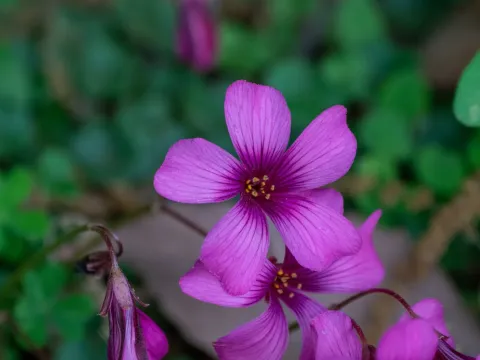
Brazilian woodsorrel
Oxalis brasiliensis
Brazilian woodsorrel is a perennial bulbous plant belonging to the Oxalidaceae family. The planting process usually begins in spring when the risk of frost has passed and soil temperatures consistently stay above 15 degrees Celsius.
What the section contains
Brazilian woodsorrel
For better results, gardeners often pre-sprout the bulbs in containers indoors about four to six weeks before moving them to the outdoor garden. This method ensures a faster development of the foliage and earlier blooming.
The planting depth should be approximately 3 to 5 centimeters, depending on the bulb size. Adequate spacing of 10-15 centimeters between plants is essential to promote healthy growth and ensure good air circulation.
Propagation is primarily achieved through the division of daughter bulbs during the dormant season. This vegetative method is highly efficient and allows for the expansion of plant collections with minimal effort.
When sowing or planting, choose locations with ample sunlight, as this species requires bright light to maintain its compact growth form and produce its characteristic vibrant flowers throughout the season.
This crop thrives in light, well-draining soil types with a neutral to slightly acidic pH. Incorporating sand or organic amendments into heavy soils is highly recommended to improve structure and prevent waterlogging.
Watering practices should be balanced, keeping the soil consistently moist but never waterlogged during the active growth phase. Always ensure the planting site or pot has excellent drainage to protect the sensitive bulbs.
The ideal temperature range for successful cultivation is between 18 and 25 degrees Celsius. Being a tender bulb, Brazilian woodsorrel is not frost-hardy and requires careful removal from the ground before winter temperatures drop.
Regular fertilization with low-nitrogen, balanced liquid feeds can enhance flower production during the peak growing months. Avoid excessive fertilization, which may lead to lush foliage growth at the expense of floral display.
Exposure to full sun is critical; however, in regions with extremely intense summer heat, light afternoon shade is beneficial to prevent leaf scorching and to prolong the blooming period of the plant.
Fungal diseases are the primary threat, often caused by poor drainage or overly humid conditions. Root rot is particularly problematic and can lead to rapid bulb decay if not managed through proper irrigation techniques.
Powdery mildew may manifest as a white dusting on leaves when airflow is insufficient or humidity levels are high. Fungicidal treatments should be applied at the first sign of infection to save the foliage.
Aphids are common pests that feed on the sap of young shoots and buds. Monitoring for these small insects and applying insecticidal soaps can effectively control populations before they cause significant damage.
Spider mites can become an issue in indoor or very dry garden conditions. Increasing humidity and regular foliage inspection are effective preventive strategies against these persistent pests.
To ensure long-term health, always remove diseased plant debris immediately. Good cultural hygiene and treating bulbs with fungicide before storage significantly reduce the risk of future outbreaks.
Harvesting bulbs occurs in late autumn as the foliage naturally yellows and dies back, signaling that the plant has entered its dormant phase and has finished storing energy for the next cycle.
After carefully lifting the bulbs from the soil, it is essential to clean them gently and allow them to air-dry in a cool, shaded, and well-ventilated location for several days to prevent moisture retention.
Storing the bulbs requires cool temperatures between 5 and 10 degrees Celsius. They should be kept in breathable bags or shallow trays filled with dry material like peat or sawdust to avoid desiccation.
Regular checks during storage are crucial to identify and discard any bulbs showing signs of decay or mold. Keeping the storage environment dry prevents the spread of rot between healthy bulbs.
Properly stored bulbs maintain their viability and vigor, providing a solid foundation for the next planting season and ensuring the continued beauty of the Brazilian woodsorrel display.