
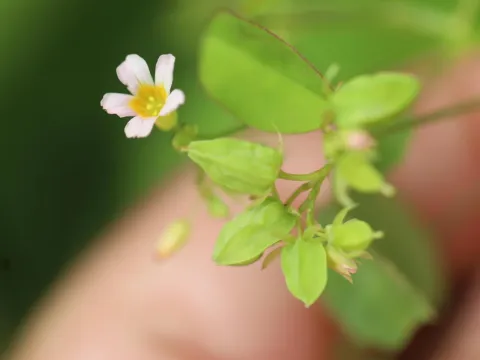
Barrelier's woodsorrel
Oxalis barrelieri
Barrelier's woodsorrel (Oxalis barrelieri) is a herbaceous plant species belonging to the Oxalidaceae family. Known for its distinct botanical structure, it is primarily cultivated in tropical regions where it serves both ecological and medicinal purposes.
What the section contains
Barrelier's woodsorrel
The plant originates from the tropical zones of Central and South America. It thrives in warm, humid climates, requiring consistent temperatures and protection from frost, as it is highly sensitive to cold weather conditions that inhibit its growth cycles.
Regarding soil requirements, this crop demands well-drained, nutrient-rich soil with an acidic to neutral pH balance. Compaction must be avoided to allow the root system to expand effectively, ensuring the plant receives adequate nutrients.
Water management is crucial for Oxalis barrelieri. The soil should remain consistently moist but never waterlogged, as excessive water retention in the soil frequently leads to root suffocation and physiological stress.
In terms of agricultural implementation, the crop is valued for its potential in producing secondary metabolites. Further research continues to explore its use in sustainable agricultural practices and its potential for commercial extract production.
Root rot remains the primary threat to Oxalis barrelieri cultivation, often triggered by poor soil drainage and irrigation mismanagement. Preventive measures include ensuring soil aeration and appropriate plant spacing.
Powdery mildew represents a significant fungal threat, especially in environments with high humidity and stagnant air. Management strategies include improving ventilation within the canopy and applying fungicides when early signs of infection appear.
Spider mites are the most common pests affecting this crop in warmer conditions. They feed on the underside of leaves, causing chlorosis and plant decline; frequent inspection is required to detect populations before they reach economic damage thresholds.
Aphids and whiteflies also pose a danger, as they act as vectors for various plant viruses. Controlling these insect populations is essential for maintaining the health of the entire crop stand and preventing widespread infection.
Weed competition is a limiting factor, particularly during the establishment phase. Effective field management involves manual weeding or the use of mulch to suppress opportunistic species that compete for resources with the woodsorrel plants.