
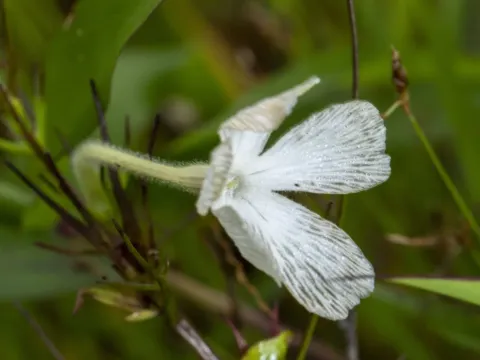
Rhamphicarpa
Rhamphicarpa
Rhamphicarpa is a genus of herbaceous plants classified within the Orobanchaceae family. These plants are known as facultative hemiparasites, capable of both independent photosynthesis and parasitic survival.
What the section contains
Rhamphicarpa
The genus originates from tropical regions, with the most significant impact on agriculture occurring in sub-Saharan Africa. It has evolved to occupy niche habitats that are frequently subject to seasonal waterlogging.
The plant thrives in tropical climates where water availability is abundant during the growing season. High temperatures combined with consistent soil moisture are critical factors for its germination and establishment.
Soil requirements for Rhamphicarpa primarily involve clay-rich, hydromorphic soils. These soil types provide the necessary conditions for the parasitic attachment to the roots of host plants, particularly rice.
Botanically, it features delicate foliage and bright flowers. It relies on haustoria to bridge its root system with the host, ensuring the transfer of water and essential mineral nutrients during the host's development.
The primary threat posed by Rhamphicarpa is the severe reduction in rice yields. As an obligate or facultative parasite in farming environments, it directly siphons resources away from the cereal crop.
There are no specific biological control agents or pathogens that effectively manage this weed in large-scale farming. Its ability to produce massive amounts of seed contributes to its status as a persistent agricultural pest.
Typical damage includes stunted host growth, reduced tiller formation, and lower grain quality. When infestation rates are high, farmers may experience complete yield failure in heavily infected field zones.
Management strategies involve rigorous crop rotation, where non-host crops are grown to break the parasitic life cycle. Mechanical weeding is also practiced, provided it is done before the parasite sets seed.
Effective control is challenging due to the hidden nature of the parasite until it begins to bloom. Monitoring field density during the early stages of rice tillering is essential for containment.